

Nursing Rotation Plans: Essential Tools for Aspiring Nurses
Nursing rotation plans are a crucial component of nursing education, serving as a structured framework that guides nursing students throughout their clinical experience. By illustrating the various practice settings and ensuring students gain hands-on experience, these plans help future nurses build their skills and confidence in patient care. Understanding nursing rotation plans and their significance is vital for students embarking on their nursing journey.
What Are Nursing Rotation Plans?
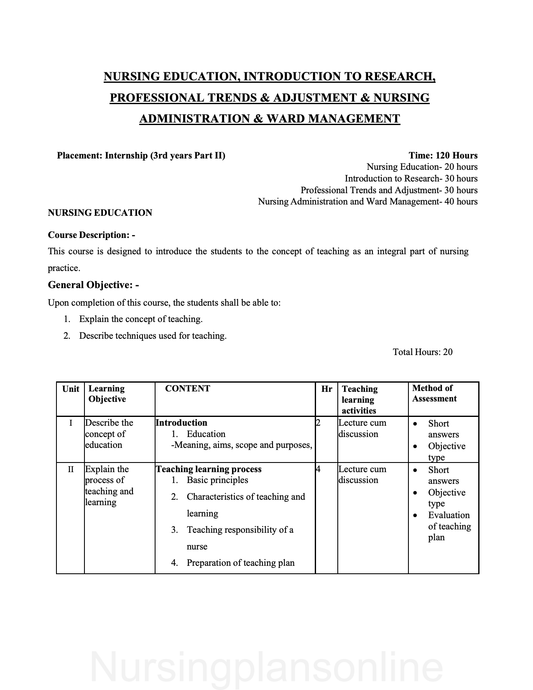
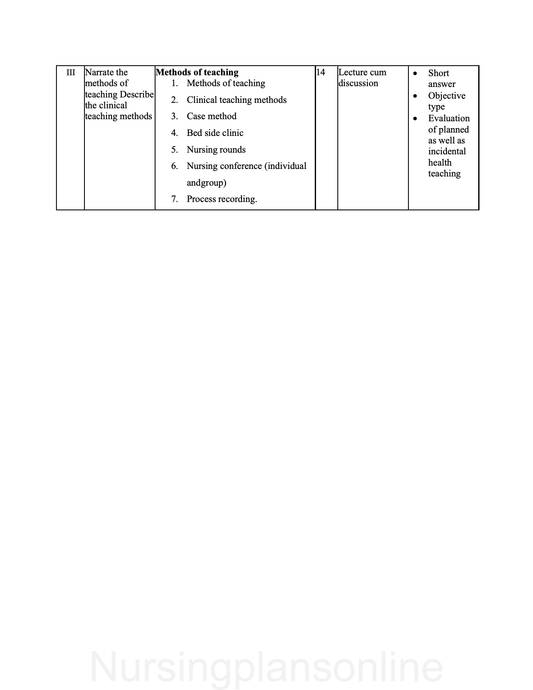
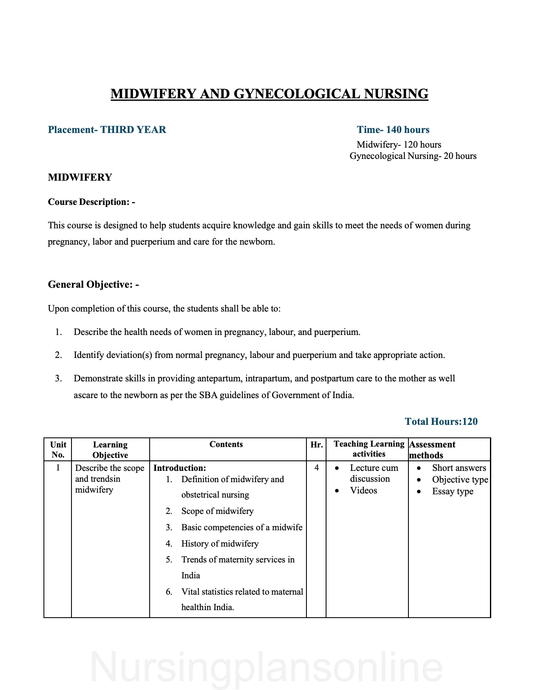
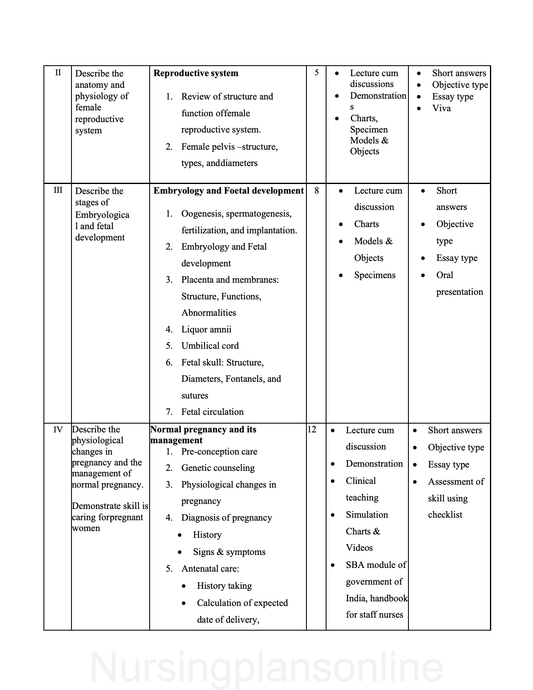
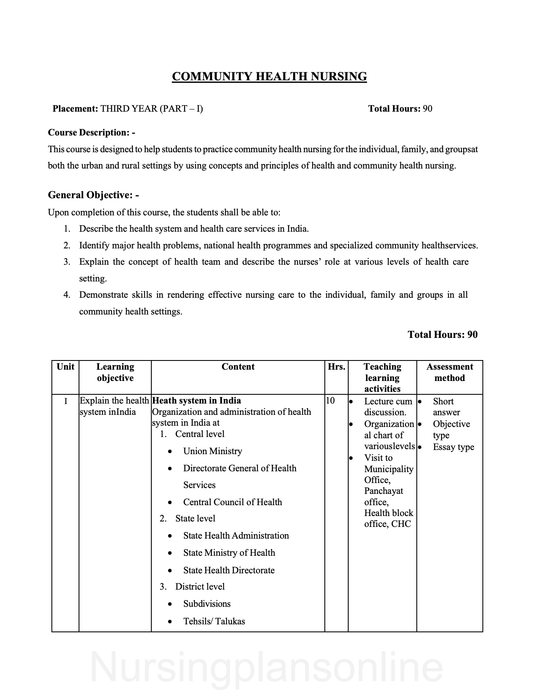
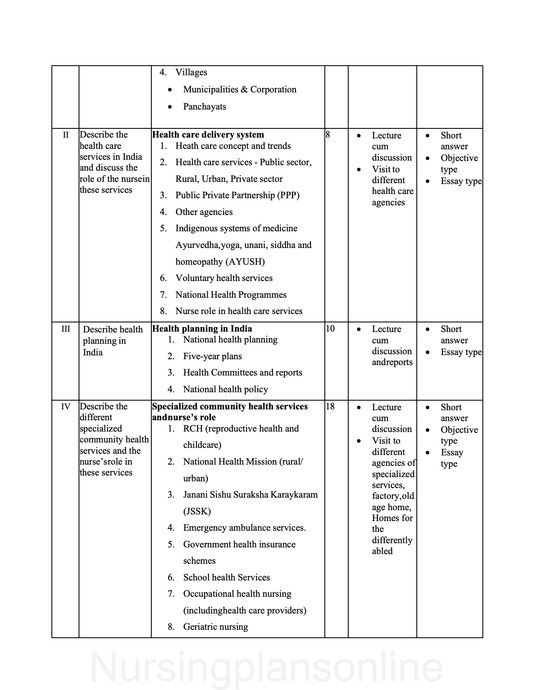
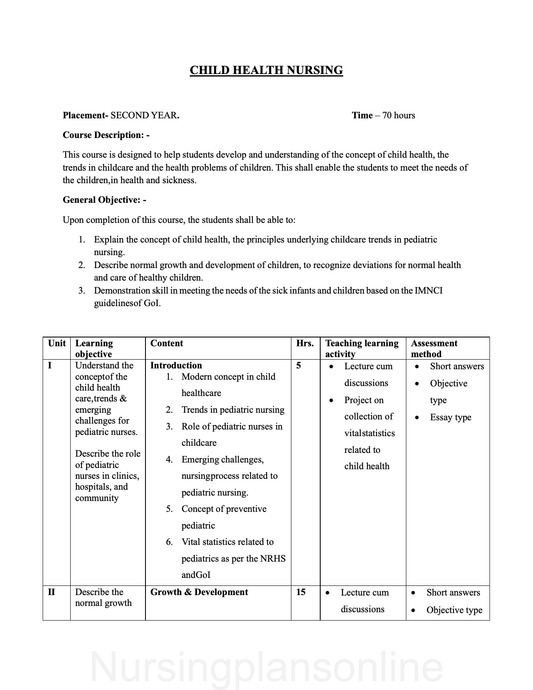
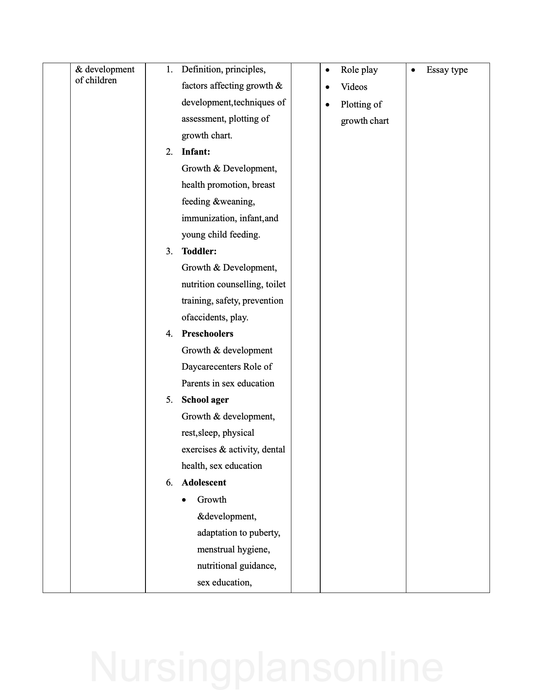
Nursing rotation plans are detailed schedules that outline the different clinical placements nursing students will undertake during their training. These rotations typically span various areas of healthcare, such as pediatrics, geriatrics, obstetrics, and critical care. The primary goal of these plans is to ensure a well-rounded clinical experience, enabling students to apply theoretical knowledge in real-world scenarios.
Why Nursing Rotation Plans Matter
Implementing nursing rotation plans provides several advantages that contribute to the effectiveness of nursing education:
- Comprehensive Learning: Students gain exposure to diverse nursing specialties, fostering a broad skill set.
- Real-World Experience: Nursing rotation plans bridge the gap between classroom learning and practical application, enhancing critical thinking.
- Effective Time Management: A well-organized schedule allows students to allocate their time efficiently across different clinical experiences.
- Improved Patient Care Skills: Frequent interactions with patients across various settings help hone assessment and communication skills.
Components of a Nursing Rotation Plan
A comprehensive nursing rotation plan typically includes several key components:
- Duration of Each Rotation: Specifies how long students will be in each clinical setting.
- Placement Locations: Lists the hospitals, clinics, or healthcare facilities where rotations will occur.
- Objectives and Goals: Crucial learning targets for each rotation that guide student focus and development.
- Assessment Criteria: Details on how student performance will be evaluated throughout their clinical experience.
Designing Effective Nursing Rotation Plans
Creating an effective nursing rotation plan requires collaboration among educators, clinical instructors, and nursing students. Here are some steps to consider:
- Identify Learning Objectives: Align learning goals with the competencies expected of nursing graduates.
- Incorporate Feedback: Regularly seek input from students and clinical staff to continually improve the rotation plan.
- Ensure Variety: Include a mix of specialties to provide a holistic view of nursing practice.
- Monitor Progress: Implement regular assessments to track student development and make necessary adjustments to their rotation plans.
Benefits of Implementing Nursing Rotation Plans
The implementation of nursing rotation plans offers numerous advantages for students, educators, and healthcare facilities alike:
- Enhances Student Engagement: When students can see their learning applied in real-world situations, it drives motivation and interest in the field.
- Facilitates Teamwork: Working in diverse teams during clinical placements helps students learn to collaborate with healthcare professionals.
- Prepares for the Workforce: Exposure to various healthcare settings allows students to understand the demands of different nursing roles.
- Builds Professional Networks: Clinical experiences help establish connections that may be valuable for future employment opportunities.
Challenges in Nursing Rotation Plans
While nursing rotation plans are essential, they come with their own set of challenges:
- Scheduling Conflicts: Coordinating various stakeholders, including students, faculty, and healthcare sites, can be complex.
- Limited Resources: Some healthcare locations may lack the facilities or staff to accommodate a large number of students.
- Variability in Clinical Experience: The quality of supervision and the learning environment can differ significantly between sites.
Conclusion: The Importance of Nursing Rotation Plans
In conclusion, nursing rotation plans play a pivotal role in shaping competent, confident, and compassionate nursing professionals. They provide structured methods for hands-on learning, ensuring that students leave their nursing programs prepared to excel in their careers. Whether you're a student mapping out your clinical journey or an educator designing a rotation plan, understanding the components and benefits of these plans will lead to a more fulfilling educational experience.
If you are ready to enhance your nursing education or create an effective rotation plan, don't hesitate! Invest in the future of nursing by implementing these essential tools today.