

Essential Nursing Rotation Plans: A Guide for Every Student Nurse
As a student nurse, navigating the complex landscape of clinical training can be challenging. Essential nursing rotation plans are a crucial tool in your educational journey, ensuring that you gain the diverse experience necessary to excel in the nursing profession. These comprehensive rotation plans not only facilitate structured learning but also enhance your practical understanding of patient care.
Developing effective nursing rotation plans is essential for acquiring hands-on skills, building confidence, and preparing for the realities of nursing practice. Below, we delve into the indispensable elements of nursing rotation plans, highlighting their importance and benefits for student nurses.
What Are Nursing Rotation Plans?
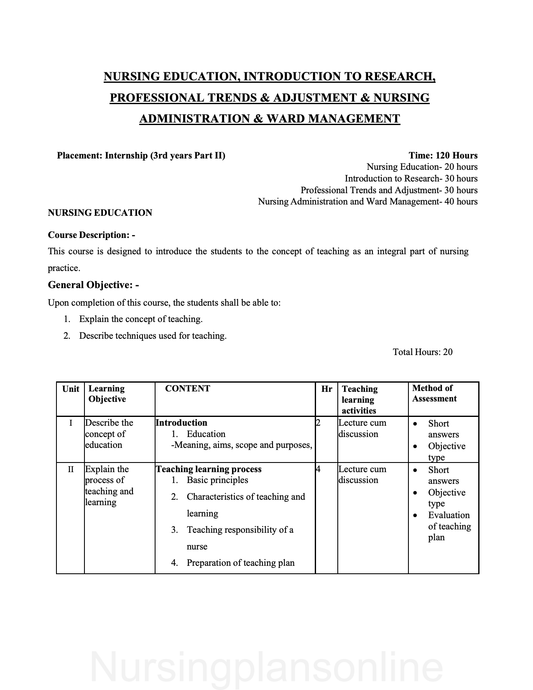
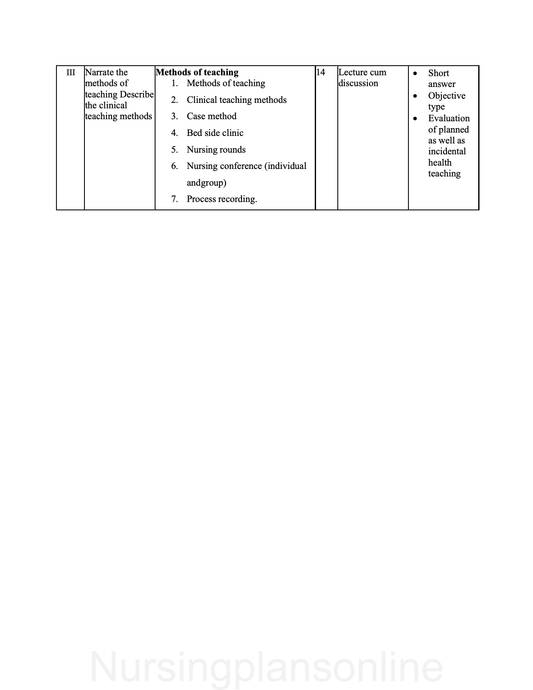
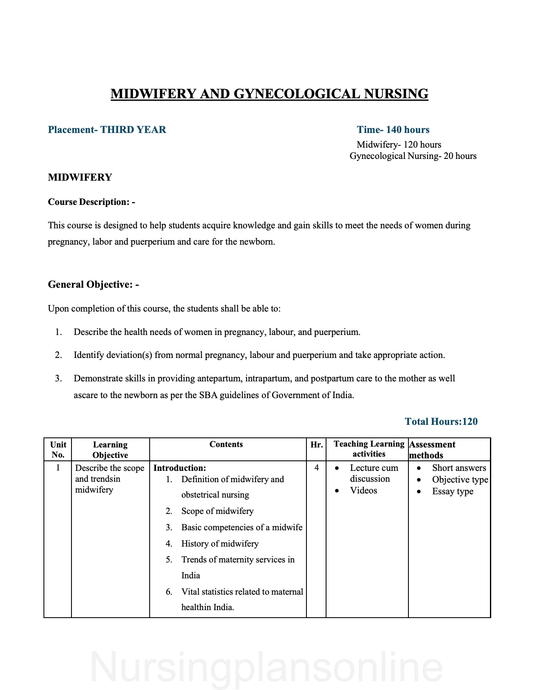
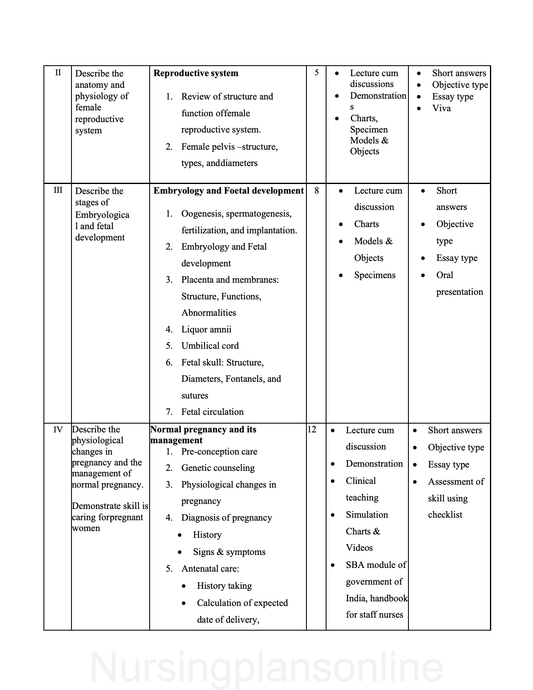
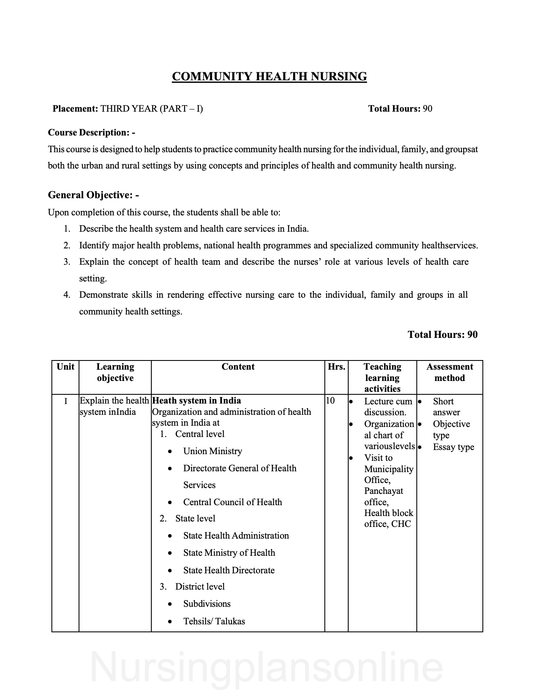
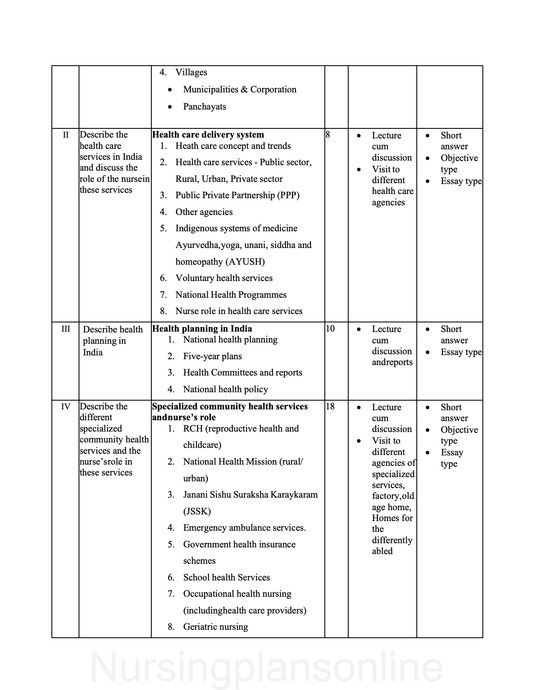
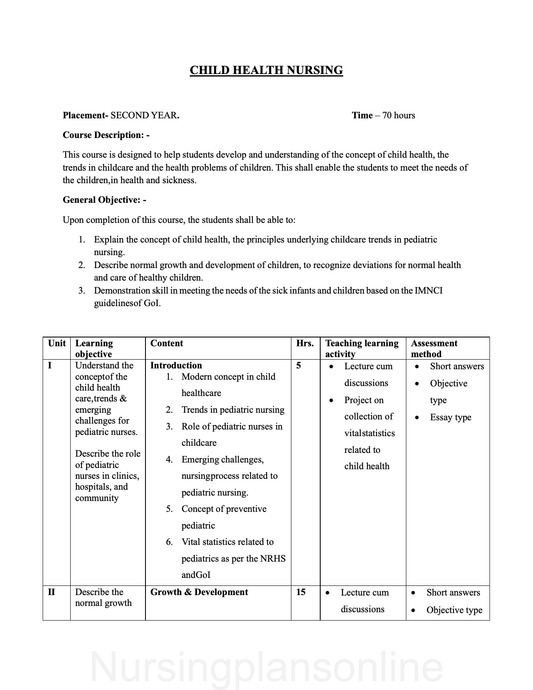
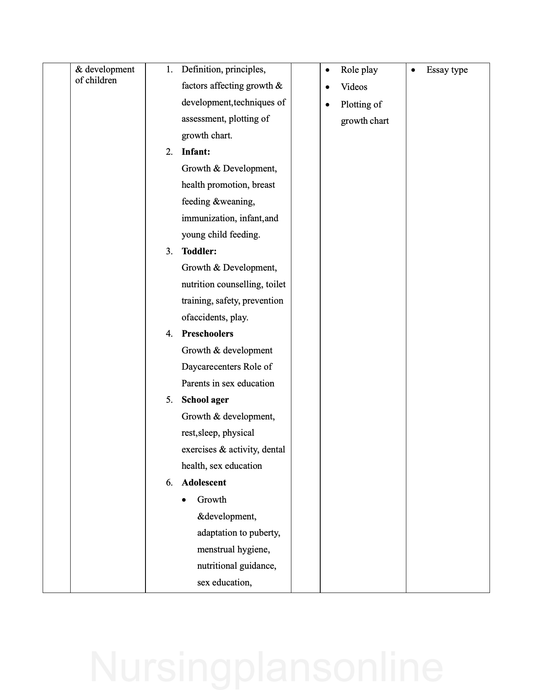
Nursing rotation plans are structured schedules that outline the various clinical experiences a student nurse will undertake during their training. These plans help students to rotate through different specialties and departments, gaining exposure to various aspects of patient care. By following a well-organized rotation plan, nursing students can ensure they receive a balanced educational experience across several healthcare settings.
Why Are Nursing Rotation Plans Important?
Implementing essential nursing rotation plans is critical for several reasons:
- Broad Exposure: Students are exposed to various specialties, including pediatrics, geriatrics, surgery, and emergency care, allowing them to discover their interests.
- Structured Learning: Rotation plans provide an organized framework, ensuring that all necessary competencies are achieved before graduation.
- Mentorship Opportunities: Through rotations, students work with experienced nurses and healthcare professionals, creating mentorship opportunities for professional growth.
- Preparation for Certification: Practical experience gained from rotations prepares students for nursing exams and enhances their confidence in real-world situations.
Crafting Your Nursing Rotation Plan
Creating an effective nursing rotation plan involves careful consideration of personal goals, institutional requirements, and the realities of clinical practice. Here are some key steps to guide you in crafting your rotation plan:
1. Assess Your Interests and Goals
Begin by reflecting on which areas of nursing resonate with you. Whether you find an affinity for critical care or maternal health, identifying your passions early on can shape your rotation choices.
2. Understand Program Requirements
Familiarize yourself with the curriculum and requirements set by your nursing school. Each program tends to have a specific framework for rotations, including mandatory specialties and timelines.
3. Diversify Your Experience
While it’s essential to focus on your interests, be sure to include a variety of clinical settings in your plan. A well-rounded experience is vital for developing a comprehensive skillset.
4. Schedule Regular Check-ins
Schedule ongoing evaluations with your academic advisor or clinical nurse educator. Regular feedback will ensure you are on track and meeting your clinical objectives.
Benefits of Utilizing Established Nursing Rotation Plans
Opting for proven nursing rotation plans can significantly enhance your learning outcomes. Here are some benefits to consider:
- Time Management: Pre-established plans help you to manage your time effectively, allowing for a balanced school and personal life.
- Networking: Engaging with multiple departments allows you to meet professionals in various fields, enriching your professional network.
- Real-World Applications: Exposure to daily routines in different specialties gives you practical insights into the nursing profession.
- Flexible Adaptation: Well-crafted plans are adaptable to unexpected challenges, ensuring you can still meet all educational requirements.
Key Components of Effective Nursing Rotation Plans
An effective nursing rotation plan consists of several essential elements:
- Clear Objectives: Clearly defined goals for each rotation help students understand their expected learning outcomes.
- Diverse Clinical Settings: Rotations across various departments and specialties ensure comprehensive training.
- Scheduled Reflection: Regular reflection opportunities allow students to assess their learning experiences critically.
- Evaluation Criteria: Definitions of how each rotation will be assessed keep students accountable for their learning goals.
Overcoming Common Challenges in Nursing Rotations
While nursing rotations can be immensely rewarding, challenges do arise. Here’s how you can tackle some common obstacles:
1. Time Management: Balancing rotations with the demands of academic studies can feel overwhelming. Create a daily schedule that prioritizes tasks to maintain focus and reduce stress.2. Confidence Building: It's normal to feel nervous in clinical settings. Remember, preparation is key. Engage with your mentors and seek opportunities to practice skills actively.
3. Seeking Support: Don't hesitate to ask for help. Lean on instructors, classmates, and mentors when challenges arise to help navigate tough situations.
Conclusion: Start Planning Your Nursing Rotations Today!
With essential nursing rotation plans at your disposal, you are well-equipped to embrace the nursing profession's challenges and rewards. By following a structured rotation plan, you can maximize your educational experience, build invaluable skills, and prepare for a successful nursing career.
Don't wait—take the first step towards developing your nursing rotation plan today! Equip yourself with the knowledge and experience to thrive in the healthcare industry. For tailored solutions and resources, explore our offerings now!