

The Importance of Lesson Plans in Nursing Education
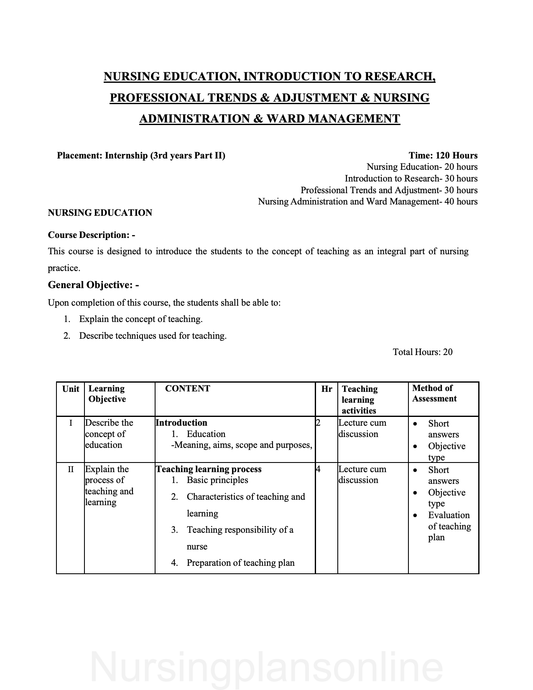
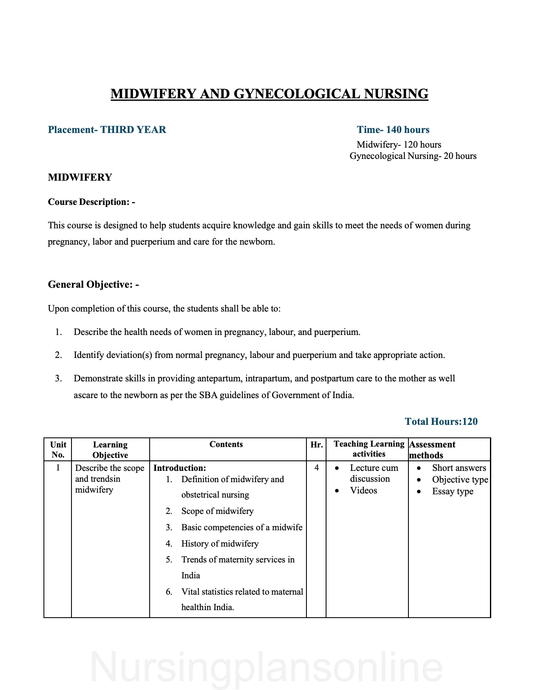
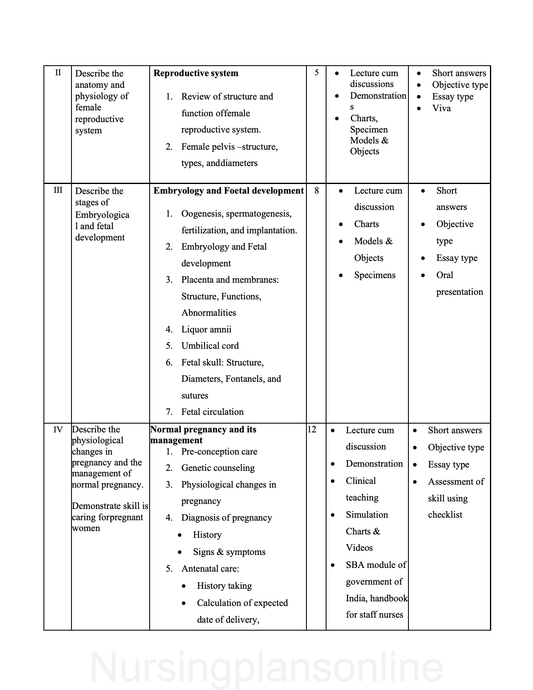
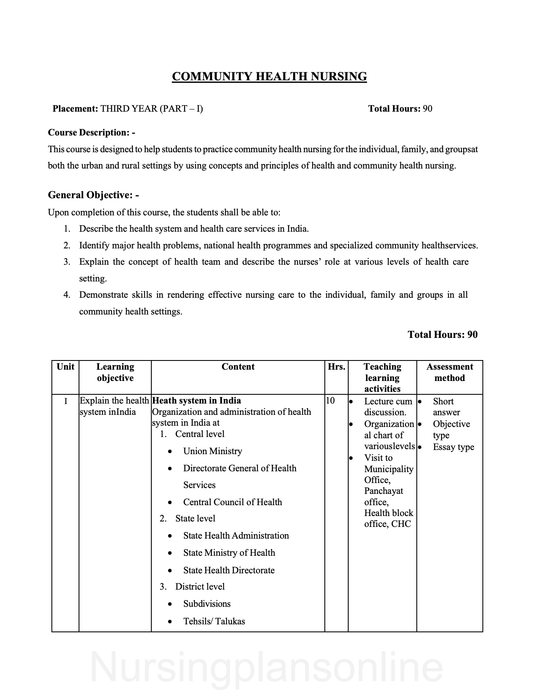
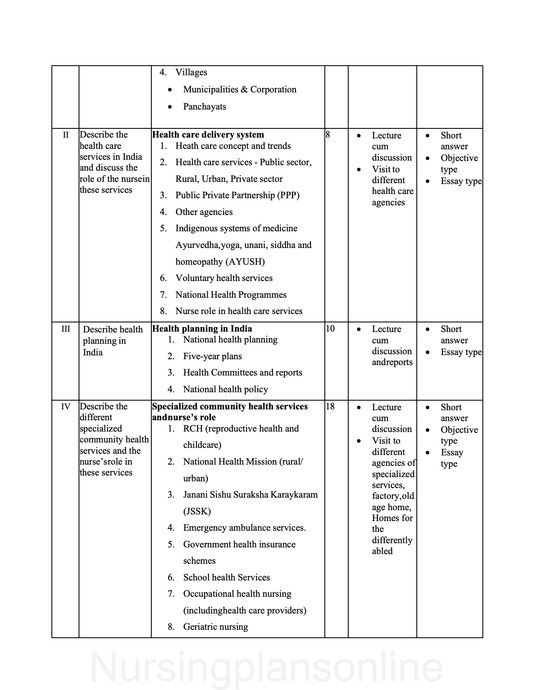
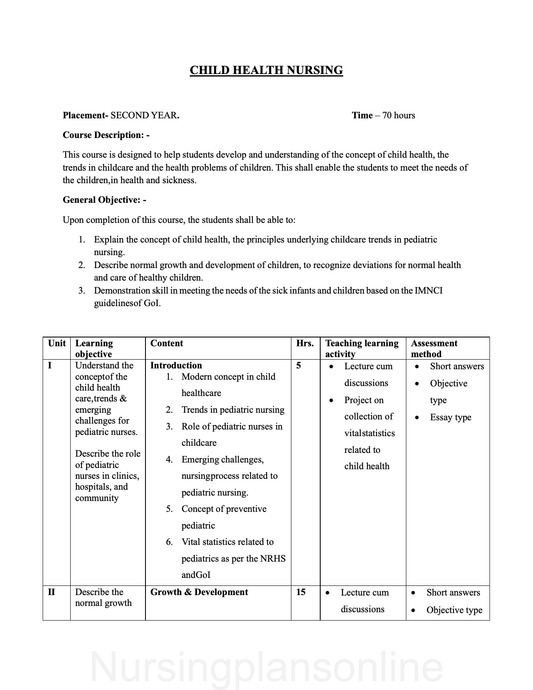
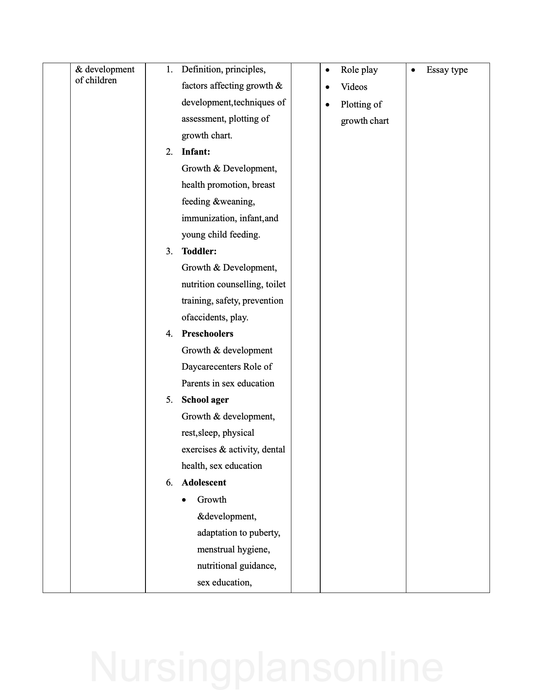
In the dynamic field of healthcare, lesson plans in nursing education play a pivotal role in shaping competent and compassionate nursing professionals. These comprehensive plans create a structured framework where theoretical knowledge meets practical application. They are essential for educators striving to impart critical skills, knowledge, and ensuring students are prepared for real-world challenges.
Developing effective lesson plans requires a thorough understanding of both the subject matter and the diverse learning needs of students. This guide will unravel the essential benefits of utilizing lesson plans in nursing education, ensuring a coherent strategy that enhances both teaching and learning.
Why Lesson Plans Are Essential
The nursing education landscape is constantly evolving, making lesson planning a fundamental component of effective teaching. Here are several reasons why lesson plans are indispensable:
- Clarity and Direction: Lesson plans provide a roadmap for educators, outlining what will be taught, how it will be taught, and what the expected outcomes are. This ensures consistency and coherence in teaching methods.
- Enhanced Student Engagement: Well-structured lesson plans foster an engaging learning environment, capturing students' interest and motivating them to actively participate in their education.
- Adaptability: With lesson plans, educators can easily modify their teaching strategies based on students' needs, ensuring inclusive education that caters to various learning styles.
- Assessment and Evaluation: By clearly defining learning objectives, lesson plans facilitate effective assessment strategies, enabling educators to measure student progress and adjust teaching methods as needed.
Components of Effective Lesson Plans in Nursing Education
Creating impactful lesson plans requires more than just a structure; it involves an understanding of key components that make the plan effective. Here are some essential elements:
- Learning Objectives: Clearly defined goals are critical. Educators need to articulate what students should know and be able to do by the end of each lesson.
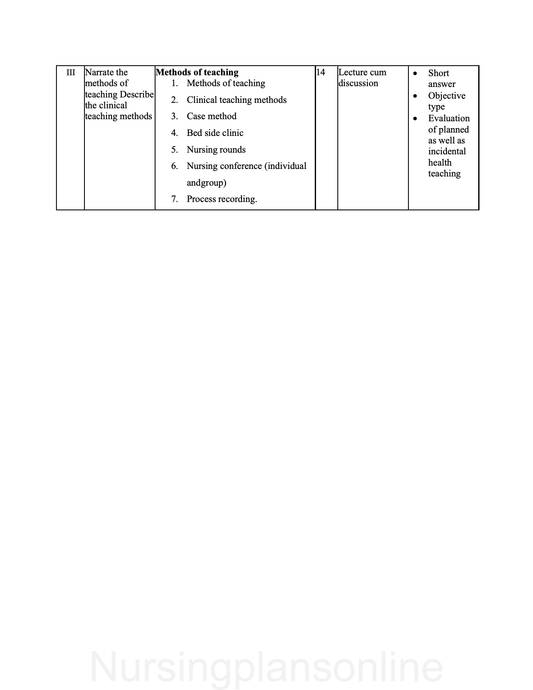
- Teaching Methods: Various instructional methods, whether lectures, hands-on practice, or group discussions, should be outlined. This variety caters to different learning preferences.
- Materials and Resources: When preparing lesson plans, it’s crucial to identify the materials needed, whether textbooks, clinical tools, or online resources, to enhance the learning experience.
- Time Allocation: Break the lesson into defined segments, indicating how much time will be dedicated to each part. This helps manage classroom time efficiently.
The Role of Technology in Nursing Lesson Planning
In today's technologically advanced world, integrating technology into lesson plans is not just an option; it's a necessity. Utilizing digital tools can enhance the learning experience significantly. Here are a few ways technology can be leveraged:
- Interactive Simulations: Incorporating simulation-based learning allows students to practice real-life scenarios, thereby enhancing their critical thinking and decision-making skills.
- E-Learning Modules: Online platforms can provide flexible learning opportunities, offering students the chance to explore complex topics at their own pace.
- Assessment Tools: Digital quizzes and feedback systems help educators evaluate student comprehension more efficiently, enabling timely adjustments to instructional strategies.
- Collaboration Tools: Virtual collaboration platforms facilitate teamwork among nursing students, promoting peer learning and support.
Meeting Accreditation Standards with Lesson Plans
One of the primary functions of lesson plans in nursing education is to meet accreditation and educational standards. Nursing programs are often assessed for compliance with established criteria, ensuring the education provided equips students with essential skills and knowledge.
Lesson plans help demonstrate that the curriculum is not only relevant but also comprehensive, ensuring that graduates meet the requirements set forth by accrediting bodies. This touchpoint significantly boosts the program's credibility and overall effectiveness.
Conclusion: Invest in Quality Lesson Plans
In conclusion, the importance of lesson plans in nursing education cannot be overstated. They serve as invaluable tools for ensuring quality education, promoting active learning, and meeting both student and accreditation needs. By focusing on structure, engagement, and the inclusion of technology, educators can significantly enhance the learning experience for nursing students.
Don't compromise the quality of nursing education. Start developing comprehensive, effective lesson plans that prepare students for successful careers in healthcare. Investing in well-crafted lesson plans today means cultivating the skilled, empathetic nurses of tomorrow. For more resources and guidance on creating impactful lesson plans, contact us today!
1 comentario
S