

 Introduction
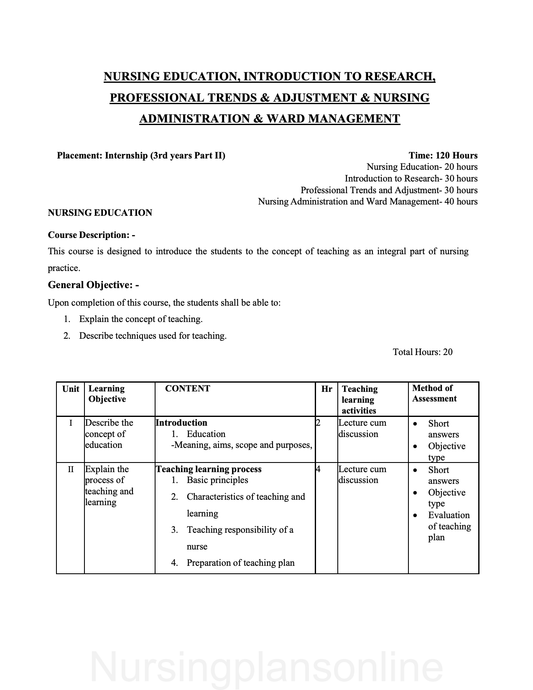
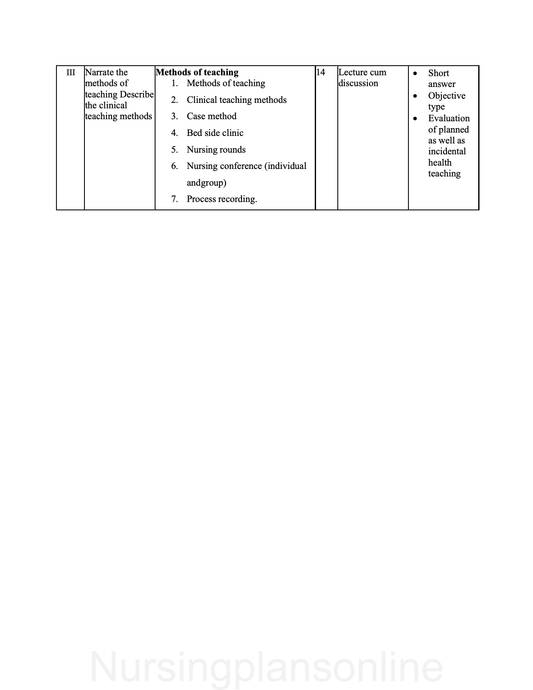
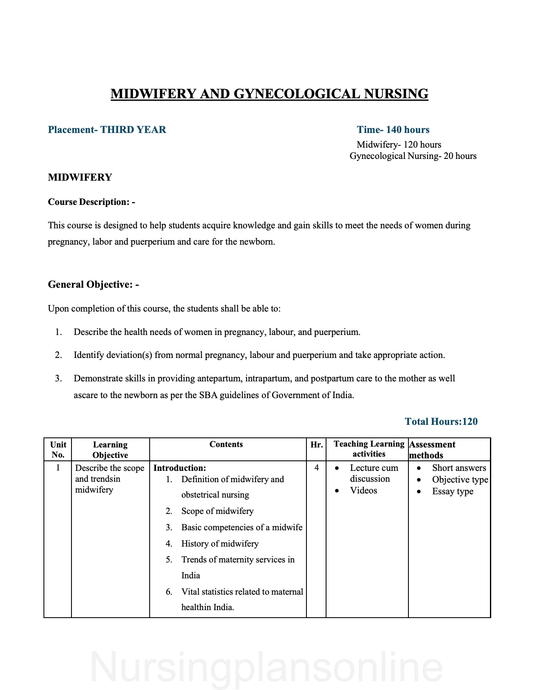
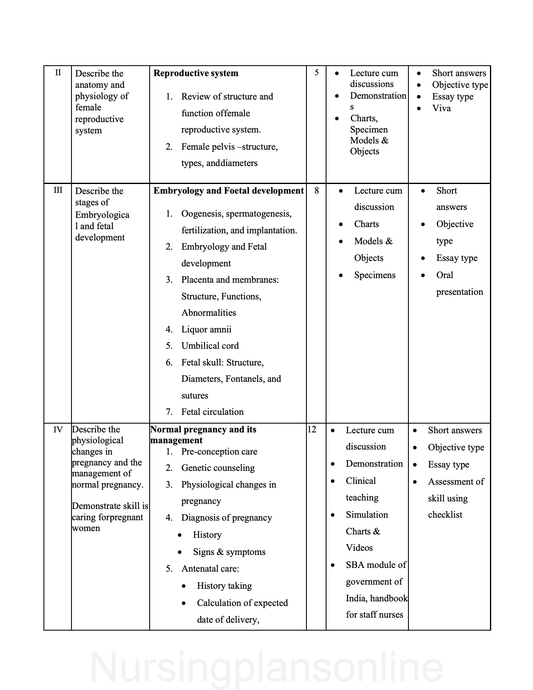
One of the most common questions among aspiring nurses in India is: Should I choose GNM or BSc Nursing? Both are recognised pathways into the nursing profession, but they differ significantly in duration, scope, career prospects, and academic depth.
In this guide, we break down everything you need to know about GNM and BSc Nursing — so you can make an informed decision that aligns with your goals, timeline, and budget.
What Is GNM (General Nursing and Midwifery)?
GNM is a 3.5-year diploma programme (3 years of study + 6 months of internship) regulated by the Indian Nursing Council (INC). It is one of the oldest and most widely recognised nursing qualifications in India.
Key facts about GNM:
- Duration: 3.5 years (including internship)
- Qualification type: Diploma
- Eligibility: 10+2 with Physics, Chemistry, Biology (PCB) — minimum 40% marks
- Regulated by: Indian Nursing Council (INC) and State Nursing Councils
- Focus: Clinical nursing skills and midwifery
What Is BSc Nursing?
BSc Nursing is a 4-year undergraduate degree programme approved by the INC and affiliated with universities across India. It provides a more comprehensive academic and clinical education than GNM.
Key facts about BSc Nursing:
- Duration: 4 years
- Qualification type: Bachelor's Degree
- Eligibility: 10+2 with PCB — minimum 45% marks (varies by institution)
- Regulated by: Indian Nursing Council (INC) and respective universities
- Focus: Comprehensive nursing science, research, and clinical practice
GNM vs BSc Nursing: Head-to-Head Comparison
1. Duration
GNM: 3.5 years | BSc Nursing: 4 years. GNM gets you into the workforce 6 months earlier, which matters if you need to start earning sooner.
2. Academic Depth
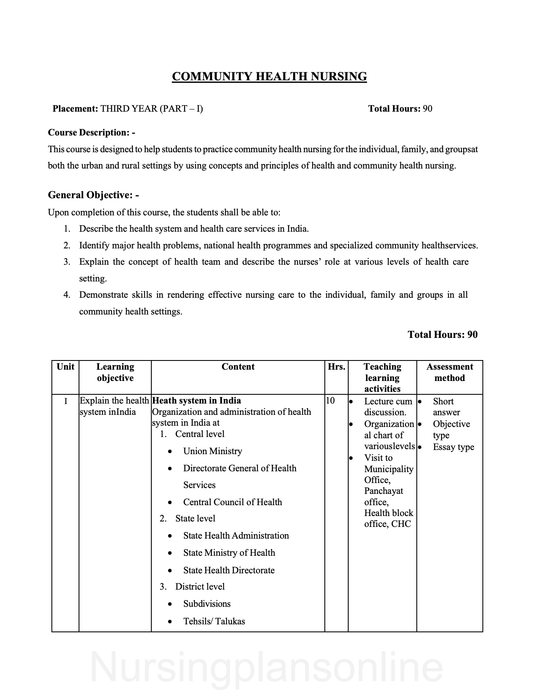
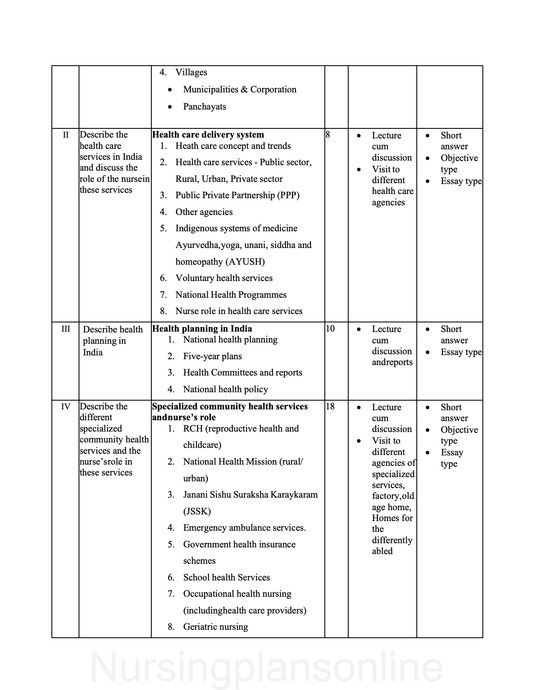
BSc Nursing covers a broader curriculum including nursing research, community health nursing, and management — preparing graduates for leadership and academic roles. GNM focuses more on hands-on clinical skills.
3. Career Opportunities
GNM graduates can work as staff nurses in hospitals, clinics, and community health centres. They are eligible for government nursing jobs and can pursue post-basic BSc Nursing later.
BSc Nursing graduates have access to a wider range of opportunities including:
- Staff nurse positions in government and private hospitals
- Nursing officer roles (AIIMS, ESIC, Railways, Defence)
- Teaching positions in nursing colleges (with MSc Nursing)
- International nursing opportunities (UK, USA, Canada, Australia)
- Research and public health roles
4. Higher Education Prospects
BSc Nursing opens the door directly to MSc Nursing, which is required for nursing faculty positions and senior clinical roles. GNM graduates must first complete a Post Basic BSc Nursing (2 years) before pursuing MSc Nursing.
5. Government Job Eligibility
Both GNM and BSc Nursing graduates are eligible for government nursing jobs. However, many competitive exams like NORCET (AIIMS) and state nursing officer exams increasingly favour or exclusively recruit BSc Nursing graduates for higher-grade posts.
6. Salary
Entry-level salaries are broadly similar for both. However, BSc Nursing graduates tend to progress faster into senior roles, resulting in higher long-term earning potential.
7. International Opportunities
If you plan to work abroad, BSc Nursing is strongly preferred. Countries like the UK, USA, Canada, and Australia typically require a degree-level nursing qualification for registration.
Who Should Choose GNM?
GNM may be the right choice if you:
- Want to enter the workforce quickly
- Are looking for a more affordable nursing education
- Plan to work in India in a clinical nursing role
- Are considering upgrading to BSc Nursing later via the Post Basic route
- Have strong practical skills and prefer a hands-on learning environment
Who Should Choose BSc Nursing?
BSc Nursing is the better choice if you:
- Want maximum career flexibility and growth potential
- Are aiming for government nursing officer roles (NORCET, ESIC, Railways)
- Plan to pursue MSc Nursing or a teaching career
- Have aspirations to work internationally
- Want a degree-level qualification recognised by universities worldwide
Can GNM Graduates Upgrade to BSc Nursing?
Yes! GNM graduates can pursue Post Basic BSc Nursing, a 2-year programme that upgrades their qualification to degree level. This pathway is recognised by the INC and allows GNM nurses to access the same higher education and career opportunities as direct BSc Nursing graduates.
Study Resources for GNM and BSc Nursing Students
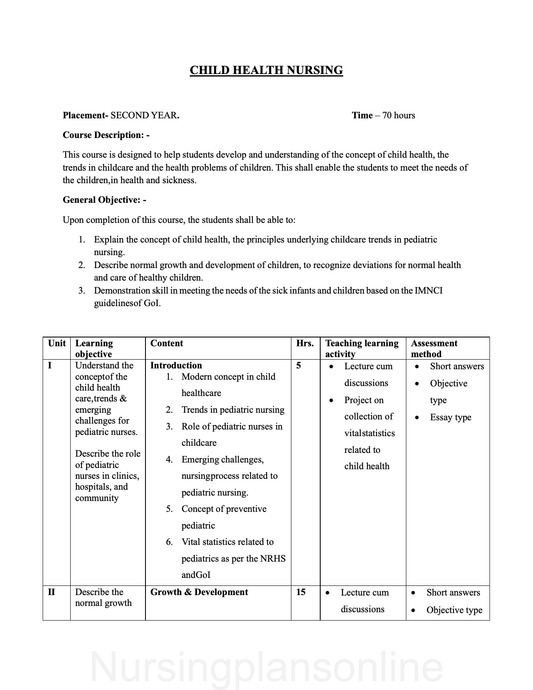
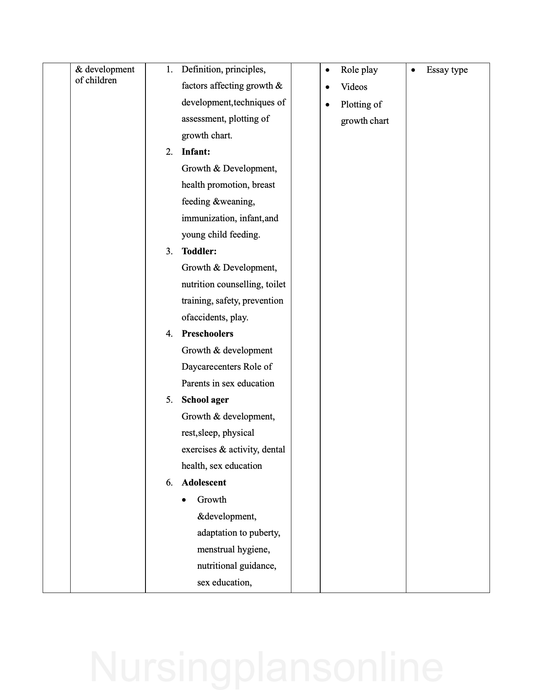
Whichever path you choose, having the right study materials makes a significant difference. Our INC-aligned nursing study plans are designed for both GNM and BSc Nursing students — covering unit plans, lesson plans, course plans, and clinical rotation plans that match your syllabus.
👉 Browse BSc Nursing Study Plans →
Conclusion
Both GNM and BSc Nursing are respected pathways into a rewarding profession. The right choice depends on your personal goals, financial situation, and long-term career aspirations.
If you want the broadest career options, international opportunities, and a direct route to postgraduate study — BSc Nursing is the stronger investment. If you need to enter the workforce sooner or prefer a more affordable route with the option to upgrade later — GNM is a perfectly valid and respected choice.
Whatever you decide, set yourself up for success with structured, syllabus-aligned study resources from day one.
3 commentaires
Nursing
Bsc nursing gov college
Bsc nursing best college davanagere and gov