

Understanding Nursing Rotation Plans: Essential Insights for Students and Professionals
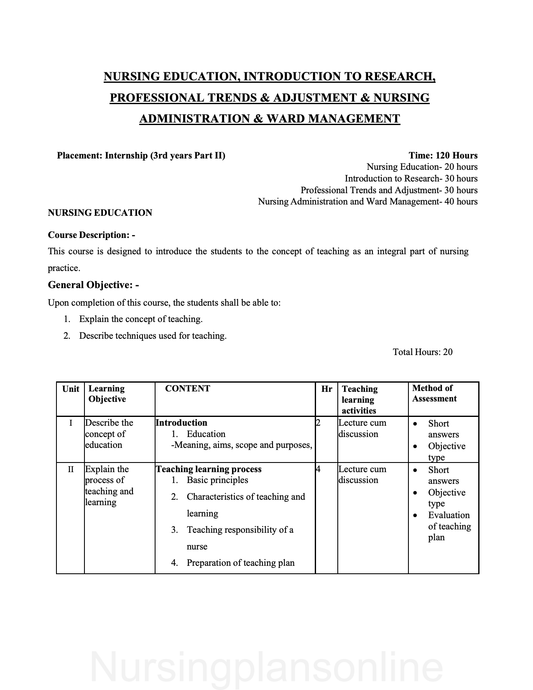
A nursing rotation plan is a crucial aspect of nursing education, outlining the specific clinical placements that students will experience throughout their training. These plans serve as a roadmap, ensuring that both aspiring nurses and seasoned professionals gain the diverse clinical experiences necessary to excel in their careers. In this comprehensive guide, we will delve into everything you need to know about nursing rotation plans, their significance, and how they can enhance your nursing journey.
What is a Nursing Rotation Plan?
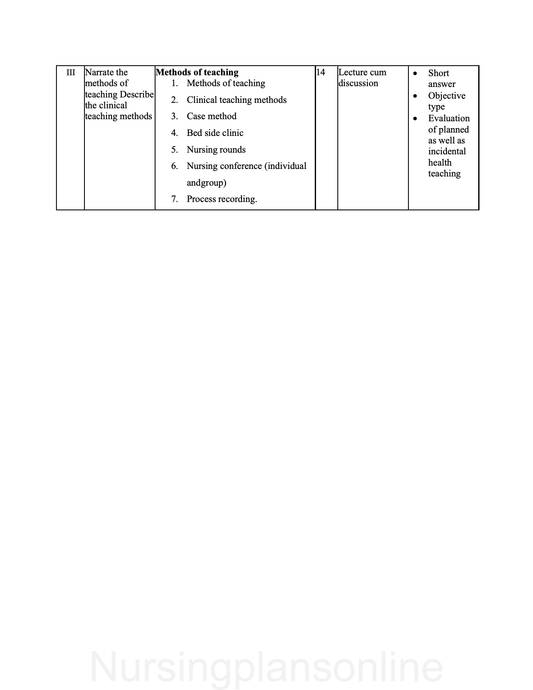
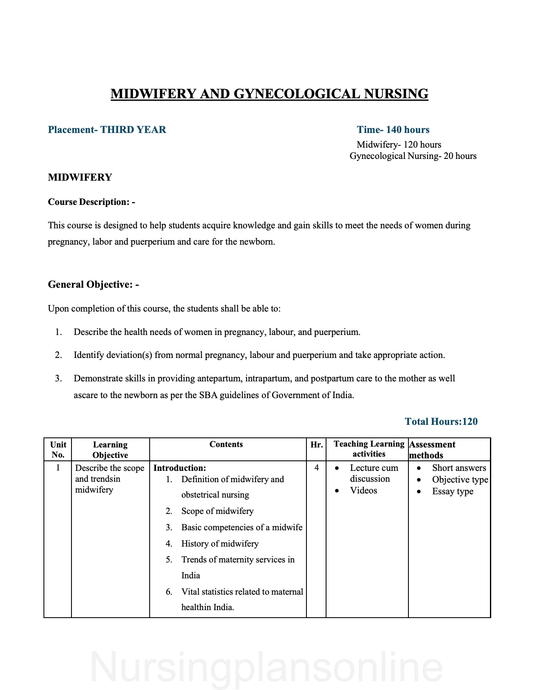
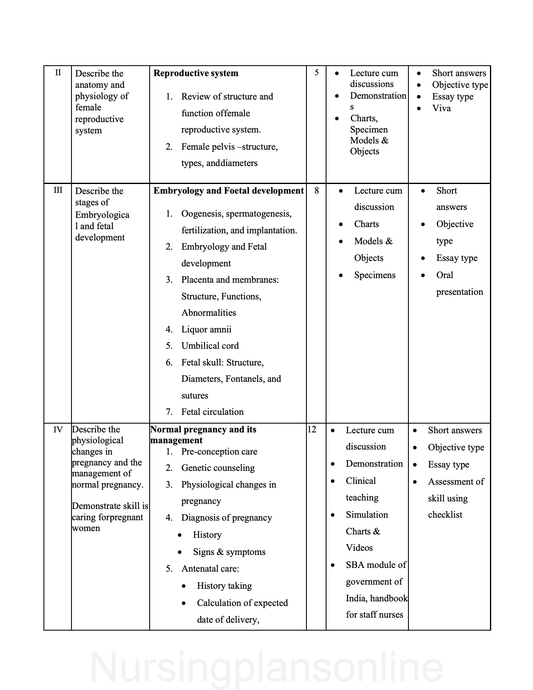
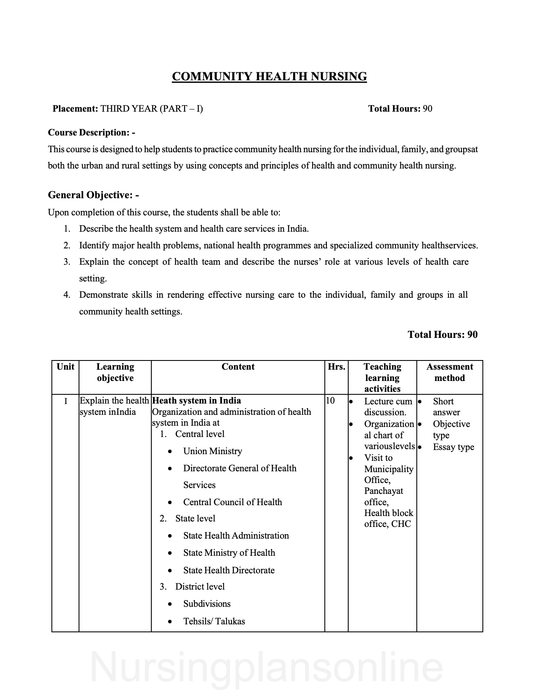
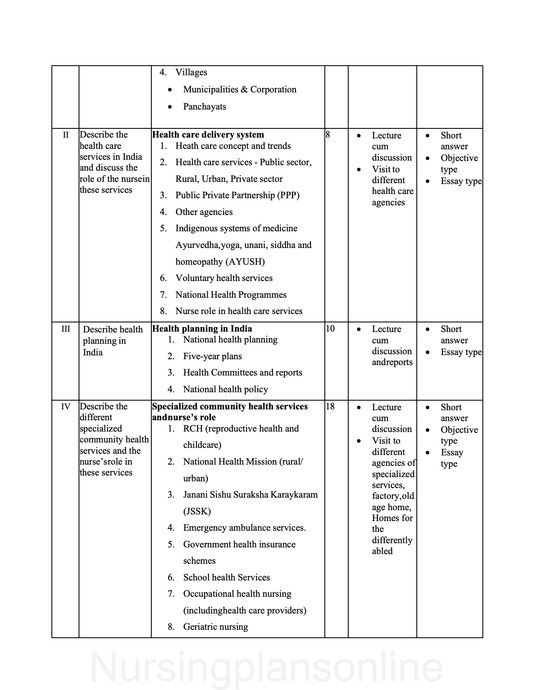
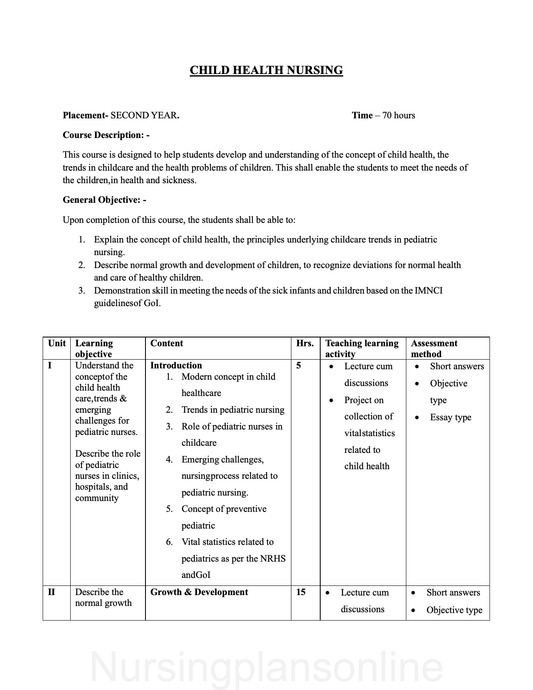
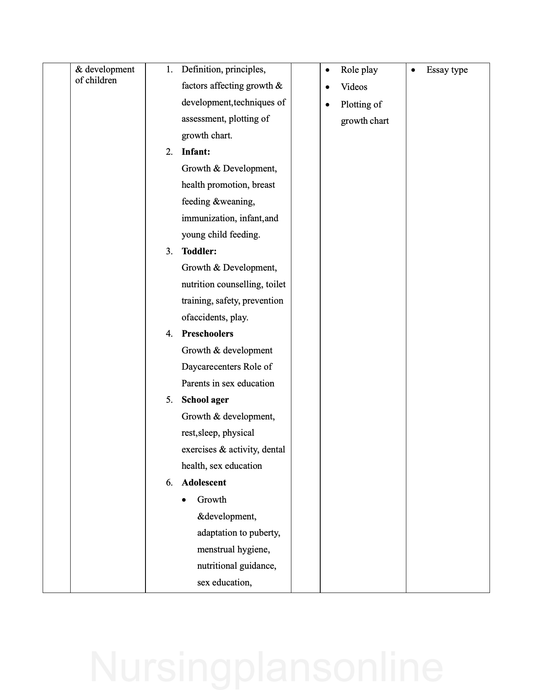
A nursing rotation plan is a structured schedule that allows nursing students to rotate through various clinical settings. Typically, these rotations are designed to cover different areas of nursing practice, such as pediatrics, geriatrics, mental health, and critical care. The purpose of these rotations is to provide hands-on experience and exposure to various specialties, enabling students to apply theoretical knowledge in real-world scenarios.
Why Are Nursing Rotation Plans Important?
Nursing rotation plans are integral to nursing education for several reasons:
- Comprehensive Learning: Students gain exposure to multiple specialties, enhancing their skill sets.
- Real-World Experience: Rotations allow for practical application of classroom knowledge in clinical settings.
- Professional Development: Networking opportunities with healthcare professionals can lead to mentorship and job prospects.
- Personal Growth: Navigating different environments helps build confidence and adaptability.
Components of an Effective Nursing Rotation Plan
An effective nursing rotation plan includes several key components that facilitate both educational and clinical outcomes:
- Clear Objectives: Each rotation should have specific learning goals that are communicated to the student and preceptor.
- Varied Settings: Exposure to different clinical environments provides a broad understanding of nursing practices.
- Evaluation Mechanisms: Regular feedback from instructors and preceptors ensures progress is monitored and addressed appropriately.
- Flexible Scheduling: Plans should accommodate students' individual needs, acknowledging challenges such as work or family commitments.
How to Create a Nursing Rotation Plan
Creating a nursing rotation plan requires careful consideration and planning. Here are steps to follow when developing an effective rotation strategy:
- Assess Core Competencies: Identify the essential skills and knowledge students need to acquire through their rotations.
- Select Diverse Locations: Choose clinical settings that provide a variety of experiences, from urban hospitals to rural community clinics.
- Collaborate with Educators: Work alongside faculty and clinical instructors to align clinical experiences with academic objectives.
- Review and Revise: Continuously assess the effectiveness of the rotation plan and make necessary adjustments based on feedback and outcomes.
Tips for Success During Rotations
Maximizing the benefits of your nursing rotation plan requires proactivity and a willingness to learn. Here are some practical tips to ensure you make the most out of your clinical rotations:
- Be Prepared: Familiarize yourself with the clinical setting ahead of your rotation. Review relevant procedures and protocols to hit the ground running.
- Ask Questions: Don’t hesitate to seek clarification or guidance from preceptors and experienced staff. Curiosity is key to learning.
- Document Your Experiences: Keep a journal or log of your rotations, noting key learnings, challenges, and accomplishments.
- Reflect on Feedback: Use feedback from preceptors to identify areas for improvement and professional growth.
Challenges Faced in Nursing Rotations
While nursing rotations are invaluable, they can also present various challenges. Being aware of these potential obstacles can help you navigate them effectively:
- Time Management: Balancing clinical hours with academic commitments can be overwhelming.
- Emotional Stress: Exposure to high-stress situations and patient suffering can impact mental well-being.
- Adapting to Different Environments: Each clinical setting has its own culture and practices, which may require quick adjustments.
- Building Relationships: Establishing rapport with preceptors and staff can take time but is crucial for a successful rotation.
Conclusion
In summary, a well-structured nursing rotation plan is essential for both students and professionals in the nursing field. It not only facilitates real-world learning experiences but also fosters personal and professional growth. By understanding the components, benefits, and challenges of nursing rotation plans, you can prepare effectively for a successful career in nursing. If you're ready to dive into your clinical journey and maximize your learning opportunities, begin planning your nursing rotation today!
Start your nursing rotation plan now and take your first step toward becoming an exceptional healthcare professional!
1 comment
Clinical rotation plan for M.Sc nursing 1st year community speciality