
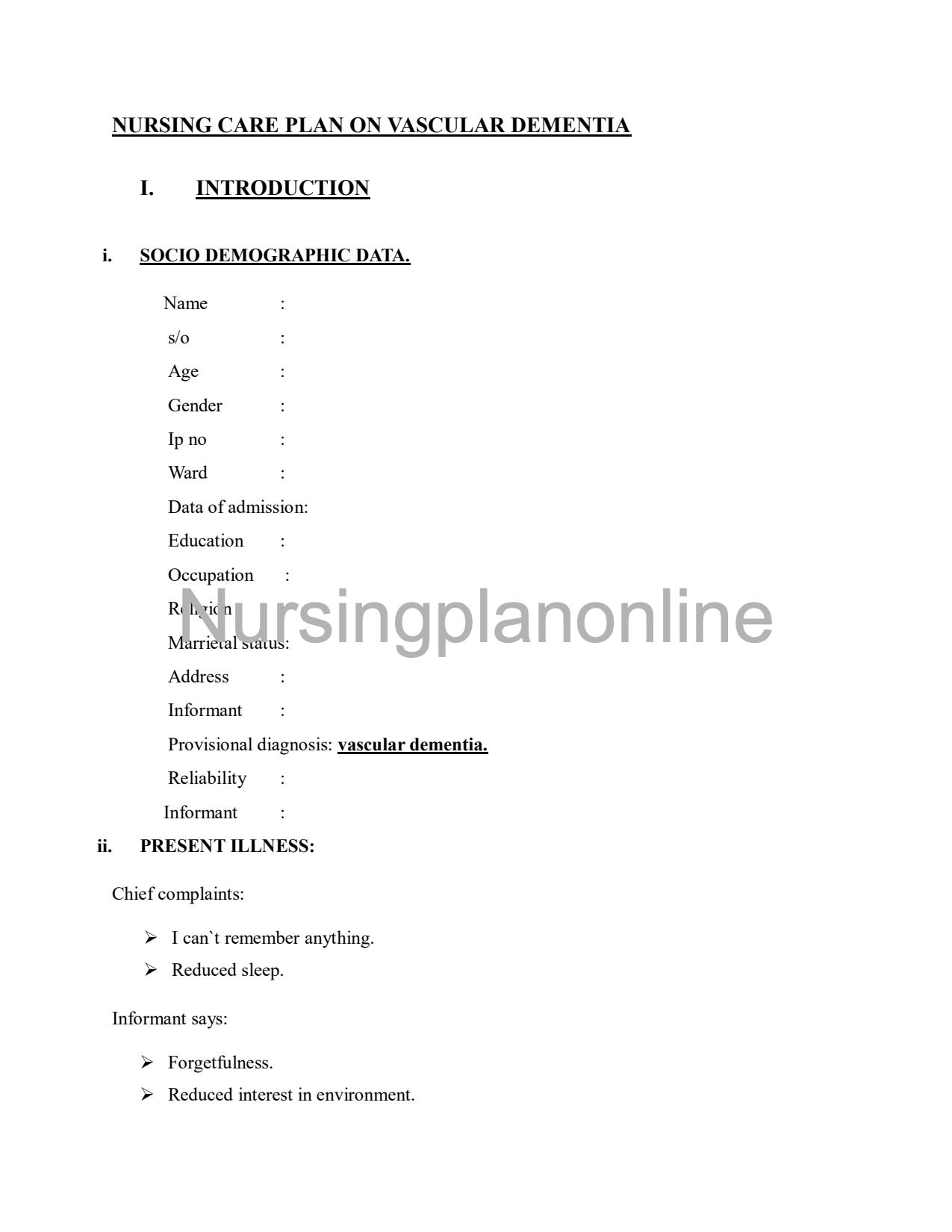
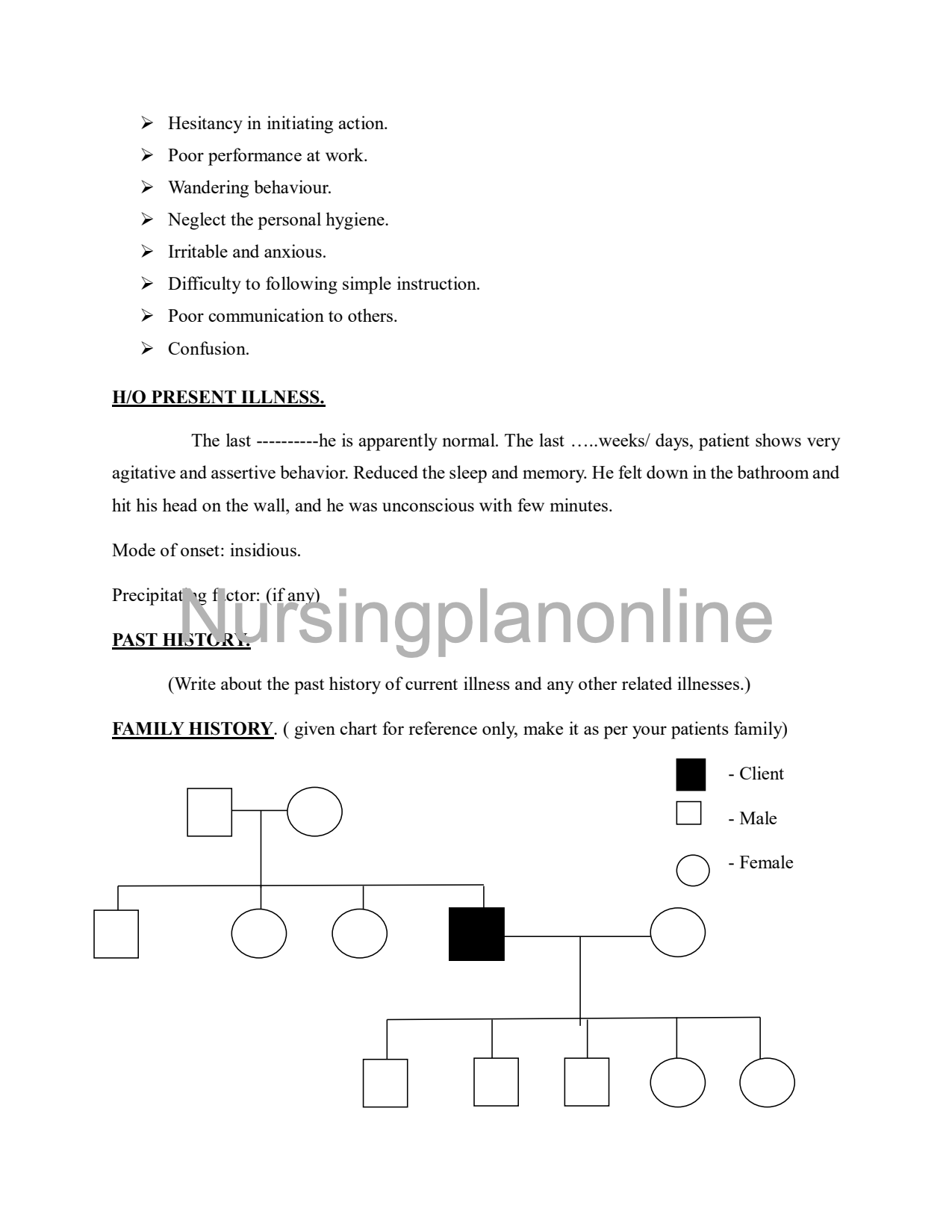
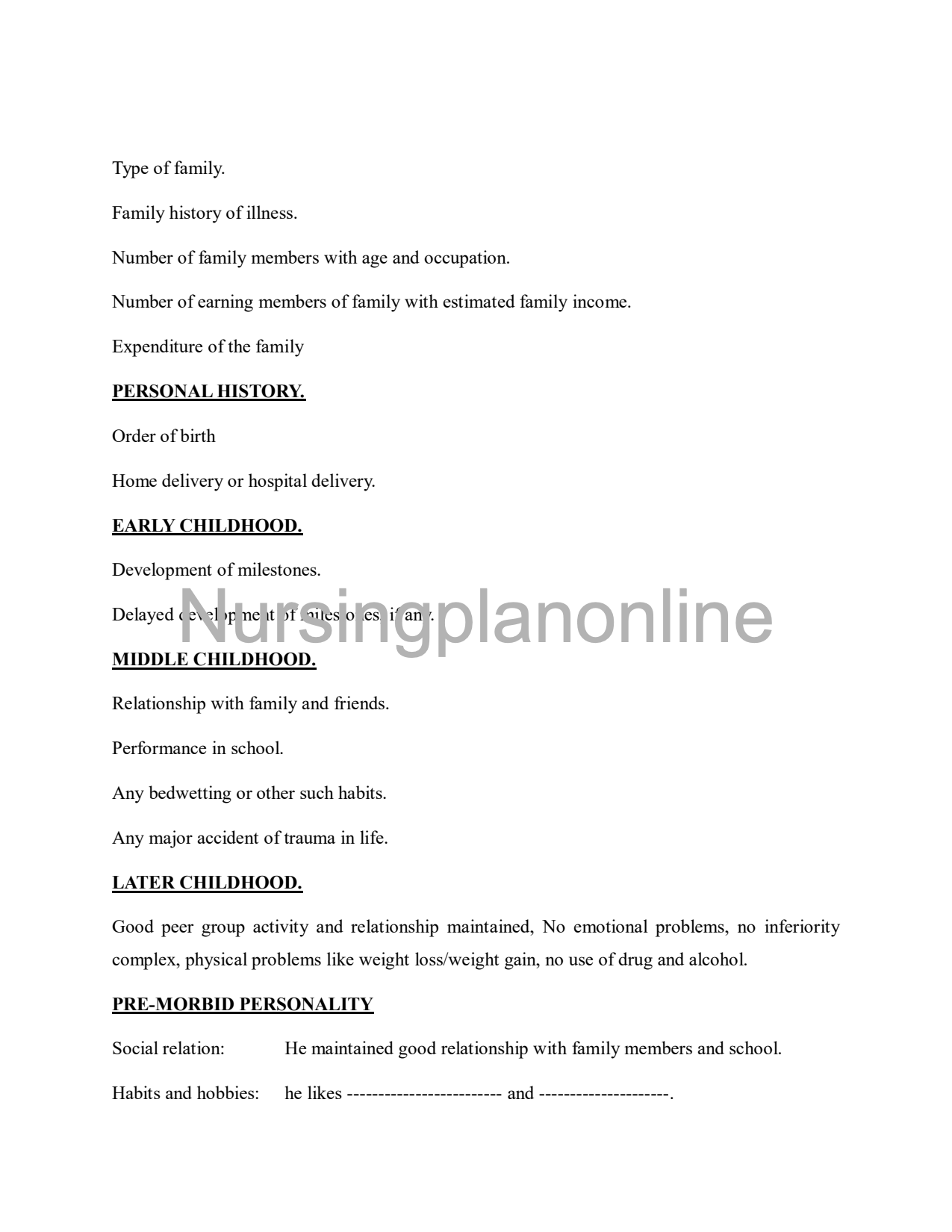
Nursing Care Plan for Dementia: Comprehensive Guide for Caregivers
Nursing Care Plan for Dementia: Comprehensive Guide for Caregivers


Beschreibung
Nursing Care Plan for Dementia: Essential Resource for Caregivers
The nursing care plan for dementia is more than just a guide; it’s a vital tool designed for caregivers tasked with the challenging yet rewarding role of supporting individuals with dementia. This comprehensive guide illuminates the multifaceted aspects of dementia care, offering structured approaches, evidence-based practices, and emotional support techniques to enhance the quality of life for both the caregiver and the patient.
Understanding Dementia
Dementia is an umbrella term used to describe a range of cognitive impairments that affect memory, thinking, and social abilities. It impacts daily functionalities and alters the way caregivers engage with and provide assistance to those affected. With various types of dementia, including Alzheimer’s disease, vascular dementia, and Lewy body dementia, it is crucial to have an adaptable and personalized nursing care plan for dementia in place.
Importance of a Nursing Care Plan
A well-structured nursing care plan for dementia can significantly improve care outcomes. By tailoring approaches to the specific needs of individuals, caregivers can provide more effective support. Key benefits include:
- Enhanced communication skills with patients, fostering trust and collaboration.
- Reduction in behavioral issues through targeted interventions and activities.
- Improved emotional support for both patients and caregivers, emphasizing mental wellness.
- Guidance on daily living activities and personal care needs, promoting independence.
Components of a Comprehensive Nursing Care Plan
Developing a nursing care plan for dementia entails several key components that cater to the unique needs of patients.
Assessment
The first step in any effective nursing care plan is thorough assessment. Understanding the patient’s medical history, cognitive capabilities, and emotional state is critical. This includes:
- Identifying cognitive levels and the type of dementia.
- Evaluating physical health conditions and medications.
- Recognizing personal preferences and daily routines.
Goals and Outcomes
Once the assessment is complete, setting realistic goals becomes essential. Goals should be specific, measurable, achievable, relevant, and time-bound (SMART). Possible outcomes could include:
- Improving the patient’s ability to perform daily activities independently.
- Enhancing cognitive function with tailored mental exercises.
- Fostering meaningful relationships and social engagement.
Intervention Strategies
Intervention strategies form the core of the nursing care plan for dementia. These strategies should be activity-based and focus on maximizing the patient's strengths while minimizing difficulties. Effective interventions may include:
- Structured daily schedules to provide routine and reduce anxiety.
- Cognitive stimulation activities to maintain mental acuity.
- Social interaction opportunities, such as group activities or family involvement.
- Physical activities adapted to the patient’s ability to promote health and mobility.
Monitoring and Evaluation
Monitoring the effectiveness of the nursing care plan is crucial. This involves regular check-ins to assess progress and make necessary adjustments. Evaluating patient responses and whether goals are being met helps ensure that caregivers provide the best possible support.
Supporting Caregivers
Caring for individuals with dementia is emotionally and physically demanding. Therefore, it’s essential to provide resources and support to caregivers themselves. Some approaches to caregiver support include:
- Peer support groups for sharing experiences and coping strategies.
- Educational resources that enhance knowledge of dementia.
- Respite care services to enable caregivers a break when needed.
Conclusion and Call to Action
With the right tools and approaches, caregivers can significantly enhance the lives of those living with dementia. Having a personalized nursing care plan for dementia is not only beneficial; it’s vital. Empower yourself with our comprehensive guide, which combines learned strategies with compassionate care to support both caregivers and their loved ones. Take the first step in transforming your caregiving experience today!