
Notes on Uterine Displacement Issues: Understanding and Managing Your Health
Notes on Uterine Displacement Issues: Understanding and Managing Your Health
Description
Understanding Uterine Displacement Issues: A Comprehensive Guide
Welcome to your definitive guide on uterine displacement issues. This essential resource helps you understand the complexity of uterine displacement, its potential health implications, and the ways you can effectively manage your wellness. Whether you're dealing with symptoms or looking to educate yourself, this guide provides the clarity and information necessary for proactive health management.
What Are Uterine Displacement Issues?
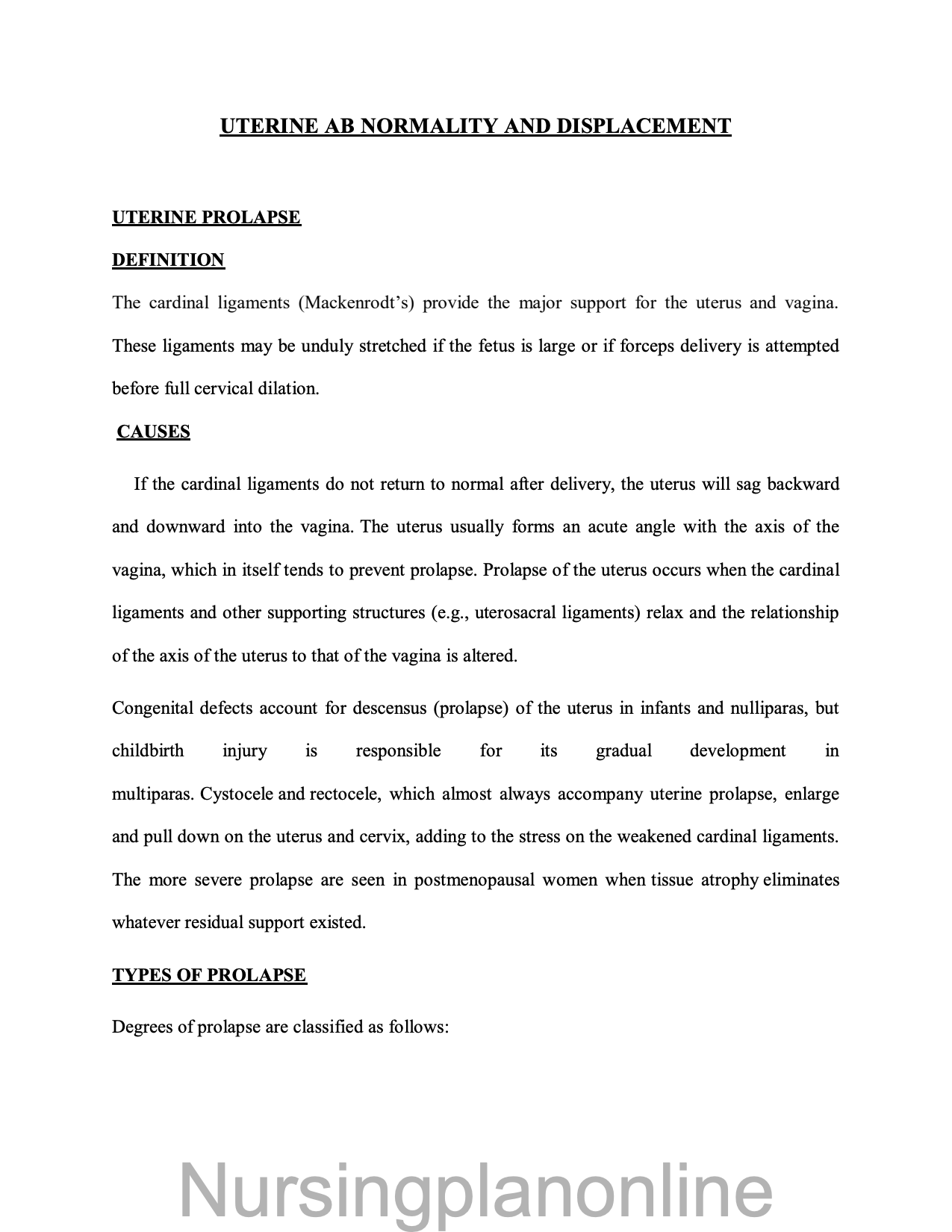
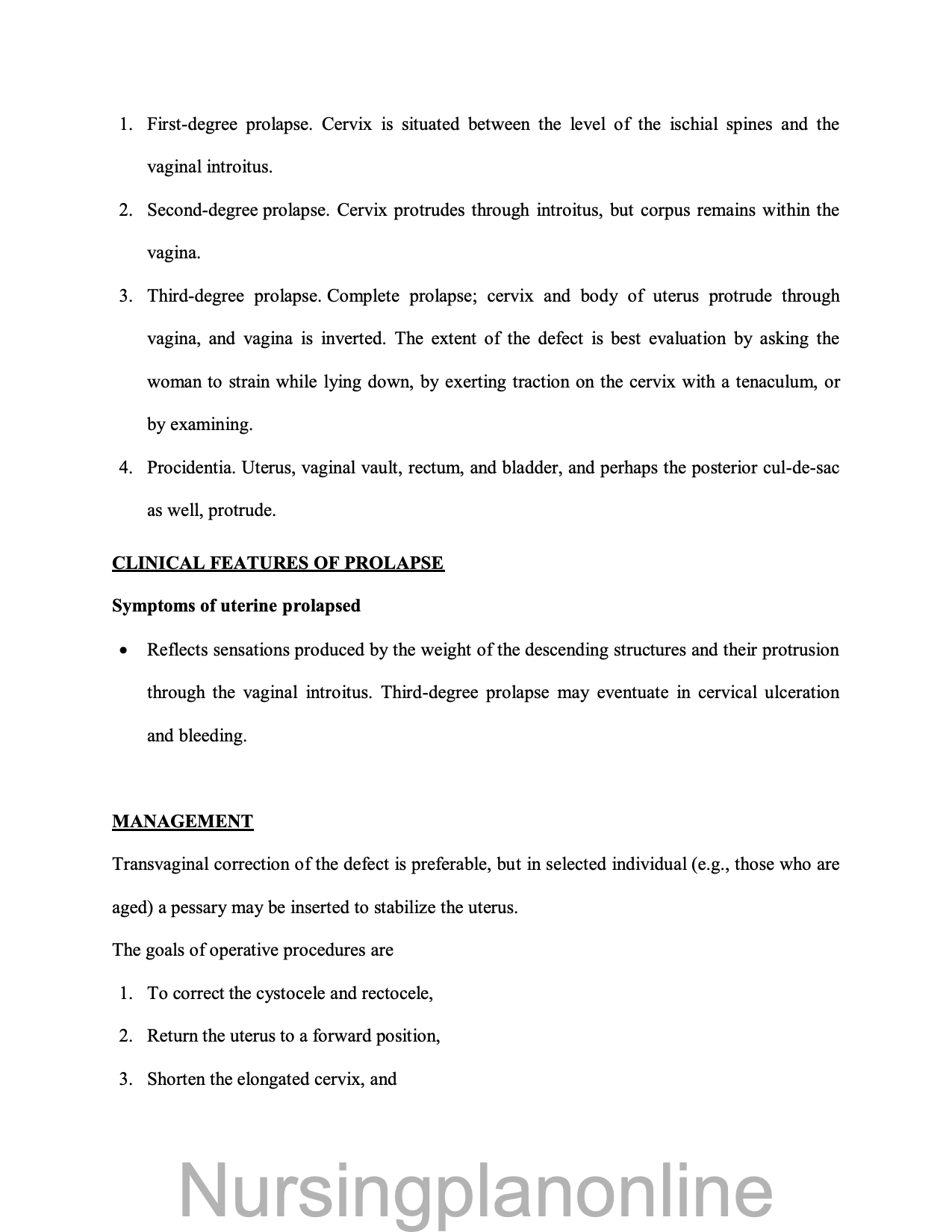
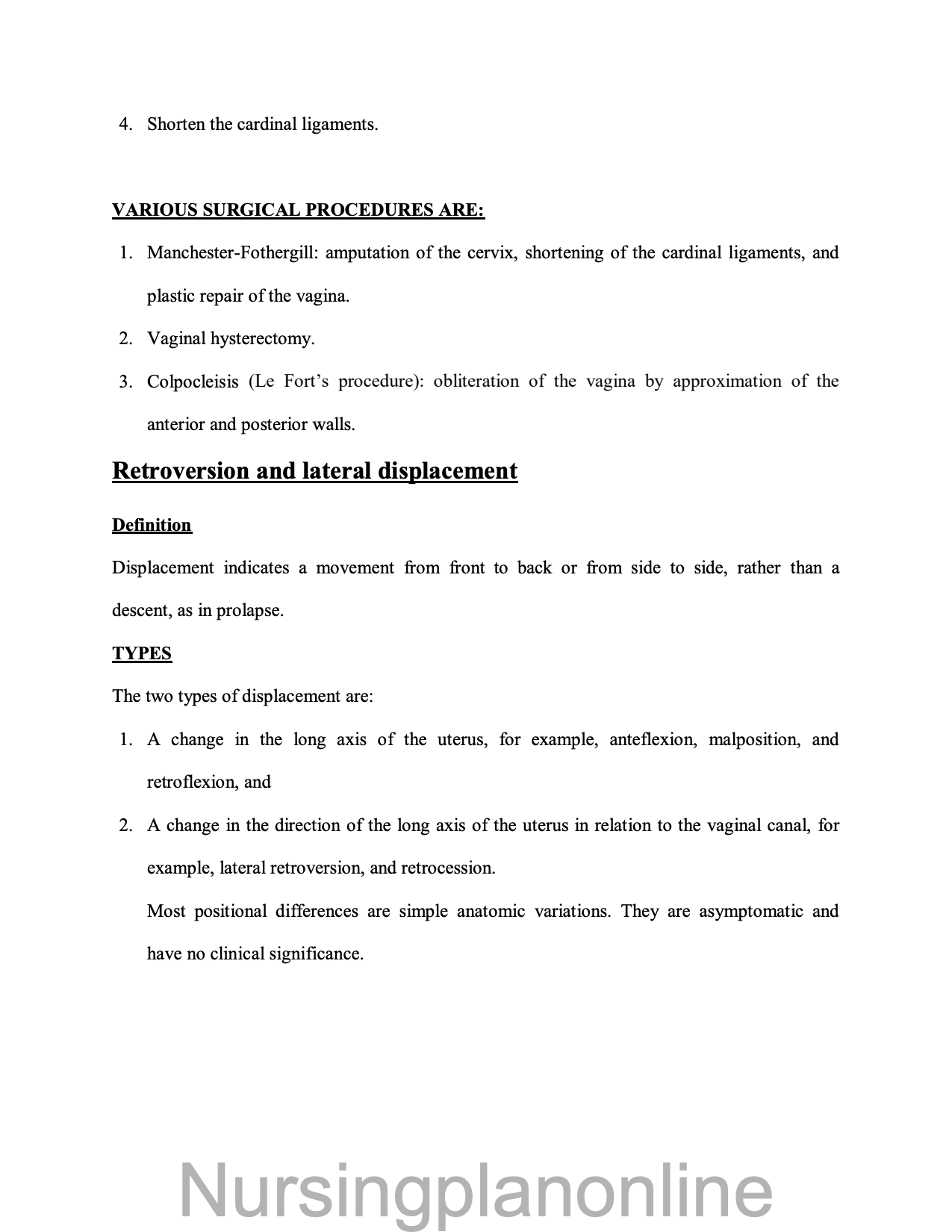
Uterine displacement issues refer to conditions where the uterus is positioned abnormally within the pelvis. This can cause a variety of health concerns and discomfort, and it’s essential to recognize the symptoms and underlying causes. Understanding your body is the first step toward addressing these issues effectively.
Common Symptoms of Uterine Displacement
Many women may not realize they have uterine displacement issues until they experience symptoms. Some common signs include:
- Pelvic pain or discomfort
- Issues with bowel or bladder function
- Heavy or irregular menstrual bleeding
- Problems with sexual intercourse
If you are experiencing any of these symptoms, it’s crucial to consult with a healthcare professional for a comprehensive evaluation.
Types of Uterine Displacement Issues
There are several types of uterine displacements, including:
- Anterversion: When the uterus tilts forward towards the bladder.
- Retroversion: When the uterus tilts backward towards the rectum.
- Uterine prolapse: A condition where the uterus descends into the vaginal canal due to weakened pelvic support.
Each type presents its own challenges and requires a tailored approach for management and treatment.
Potential Causes of Uterine Displacement Issues
Understanding what leads to uterine displacement issues is vital for prevention and treatment. Common causes include:
- Childbirth, especially with multiple deliveries
- Age and hormonal changes
- Previous pelvic surgery
- Genetic predisposition and connective tissue disorders
Exploring these factors helps in forming effective strategies to manage your health.
Impact on Health and Well-Being
The implications of uterine displacement issues extend beyond physical discomfort. Many women report emotional and psychological effects stemming from chronic pain or changes in sexual health. Knowing the symptoms and seeking help can significantly improve your quality of life.
Management and Treatment Options
When dealing with uterine displacement issues, the right management approach is essential. Some options include:
- Pelvic floor exercises: Strengthening your pelvic muscles can provide support to the uterus.
- Medication: Pain relievers and hormonal treatments may alleviate symptoms.
- Surgical options: In some cases, surgical intervention may be warranted to reposition the uterus or address underlying issues.
- Therapeutic supports: Specialized devices can help manage displacement and improve comfort.
It’s important to work closely with a healthcare provider to determine the best treatment path for your specific situation.
Benefits of Understanding and Managing Uterine Displacement Issues
Taking the time to understand uterine displacement issues has significant benefits, such as:
- Informed health decisions: Knowledge empowers you to make proactive health choices.
- Improved physical comfort: Effective management approaches can significantly reduce discomfort.
- Enhanced emotional well-being: Addressing physical health can lead to improved mental health.
- Better communication with healthcare providers: You can advocate for your health more effectively.
Recognizing the importance of health education will aid you in navigating the complexities of uterine displacement issues.
Consultation and Ongoing Support
It’s advisable to seek professional guidance when addressing uterine displacement issues. Regular consultations and follow-up appointments with your healthcare provider ensure you receive adequate support and timely interventions as necessary.
Final Thoughts
Your health is invaluable, and understanding uterine displacement issues is essential for optimal well-being. By educating yourself and seeking appropriate management strategies, you take a significant step toward reclaiming your health.
Don’t let uterine displacement issues dictate your life. Empower yourself with information and proactive management. Click below to access more resources and take the next step towards better health today!