
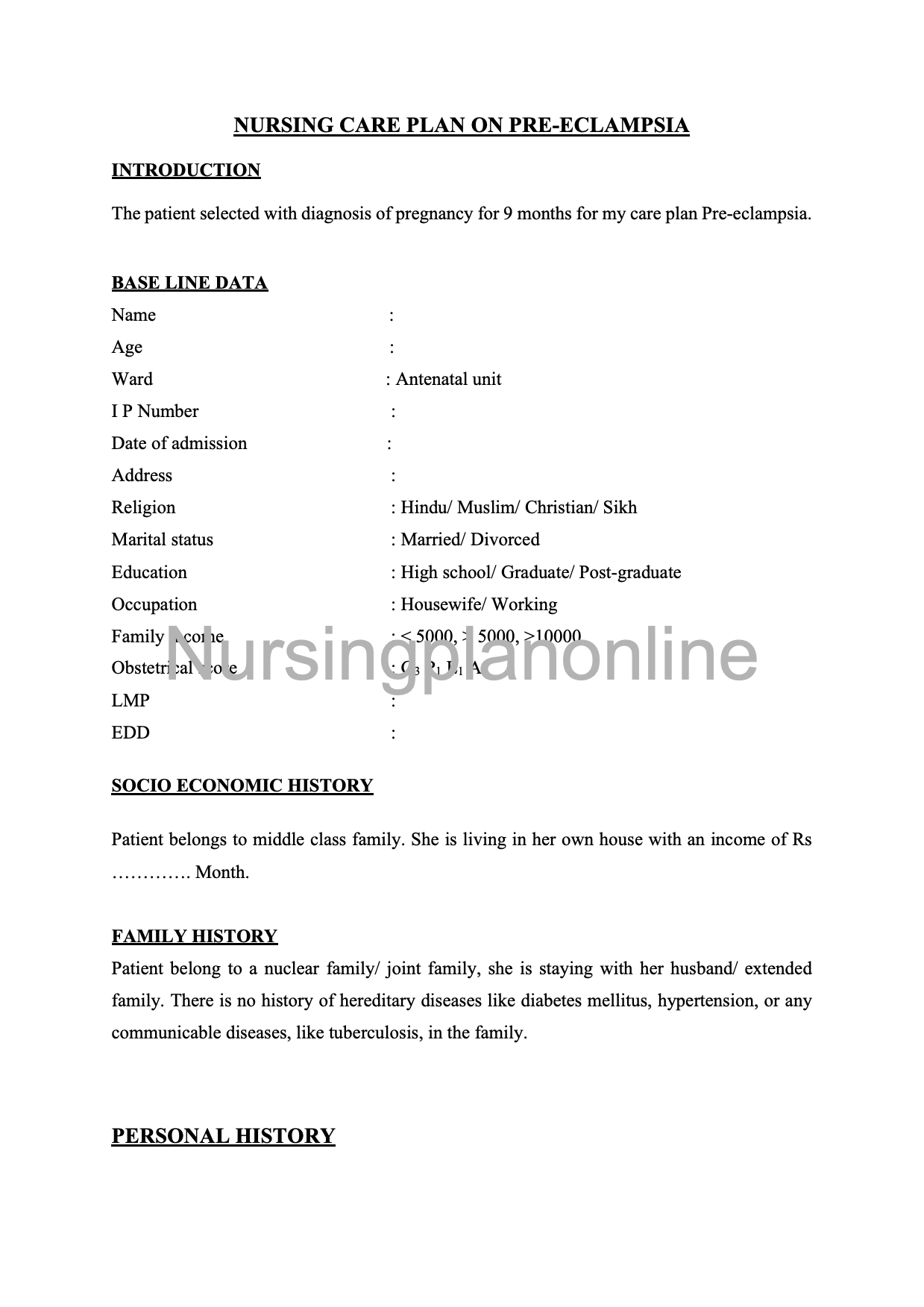
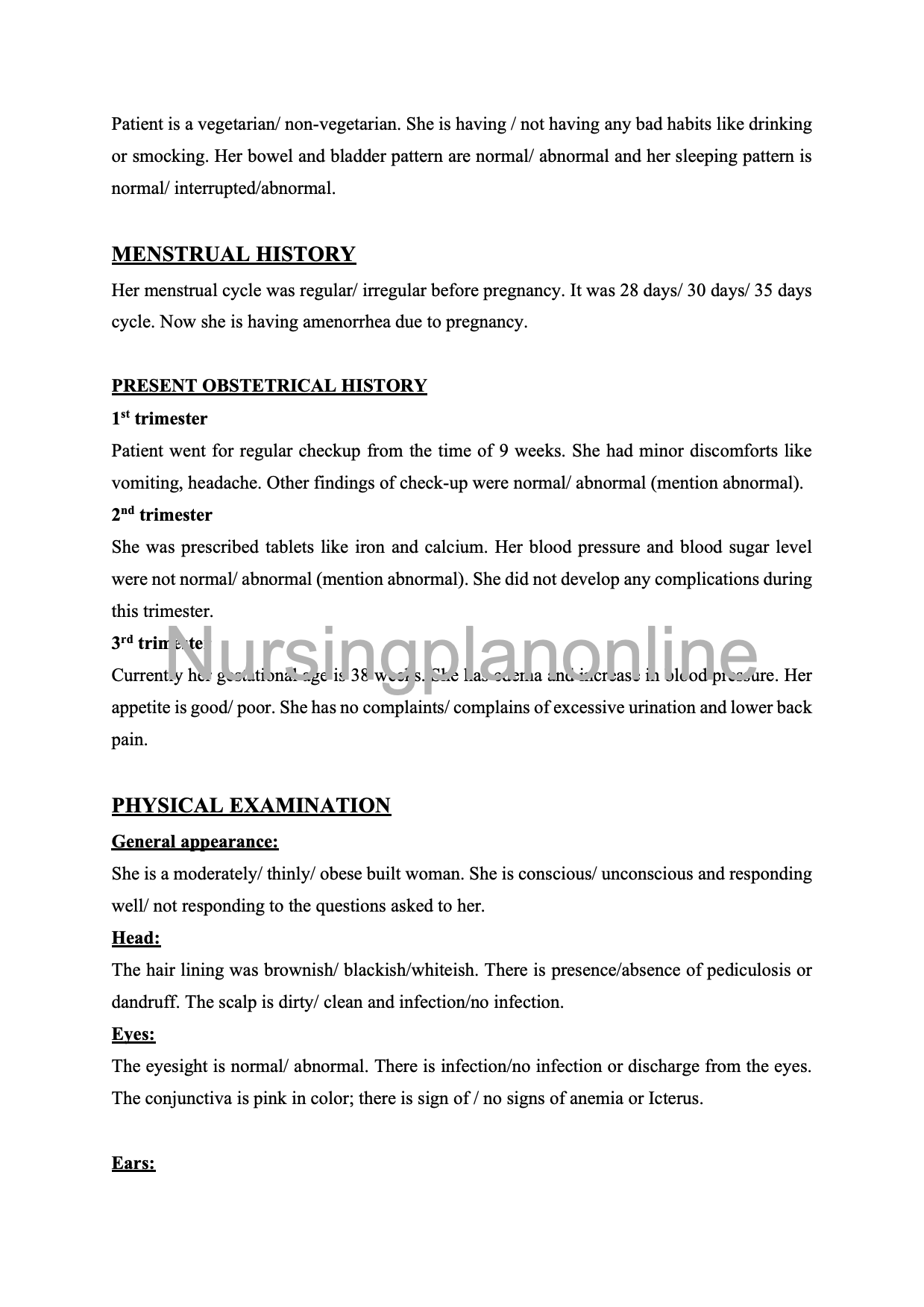
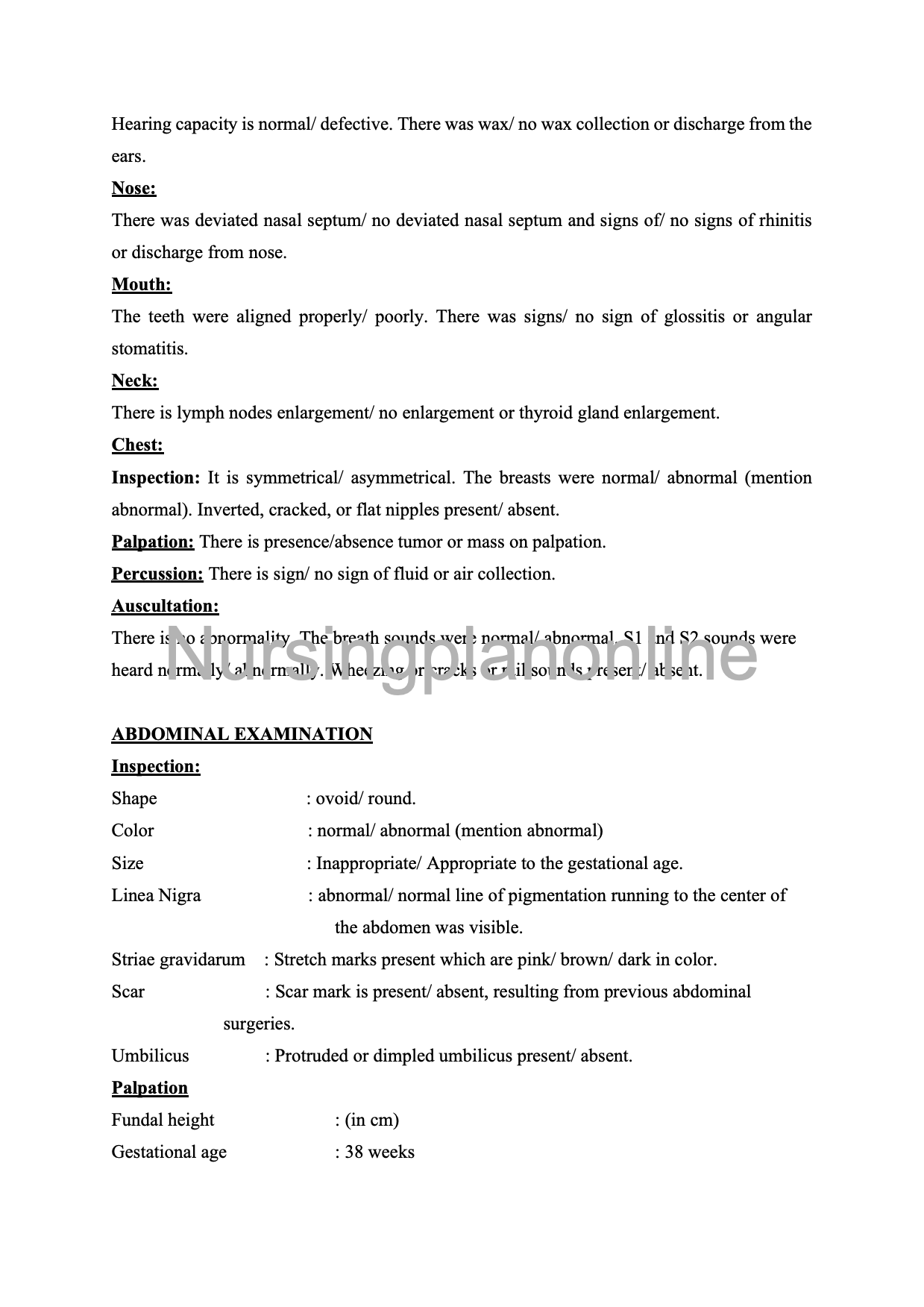
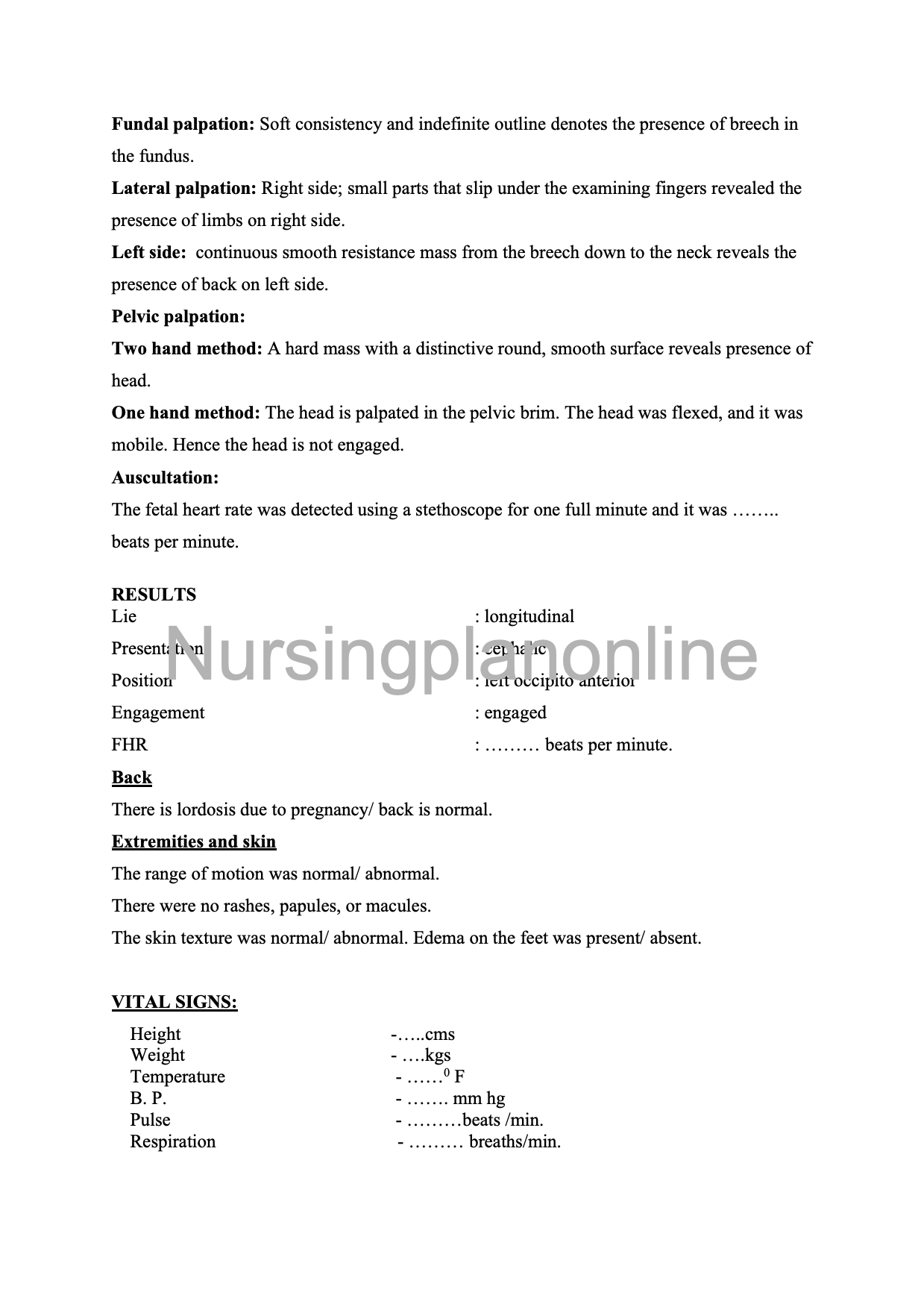
Nursing Care Plan Pre-Eclampsia with Theory Application for Effective Patient Management
Nursing Care Plan Pre-Eclampsia with Theory Application for Effective Patient Management
商品説明
Nursing Care Plan Pre-Eclampsia: Comprehensive Guide for Effective Patient Management
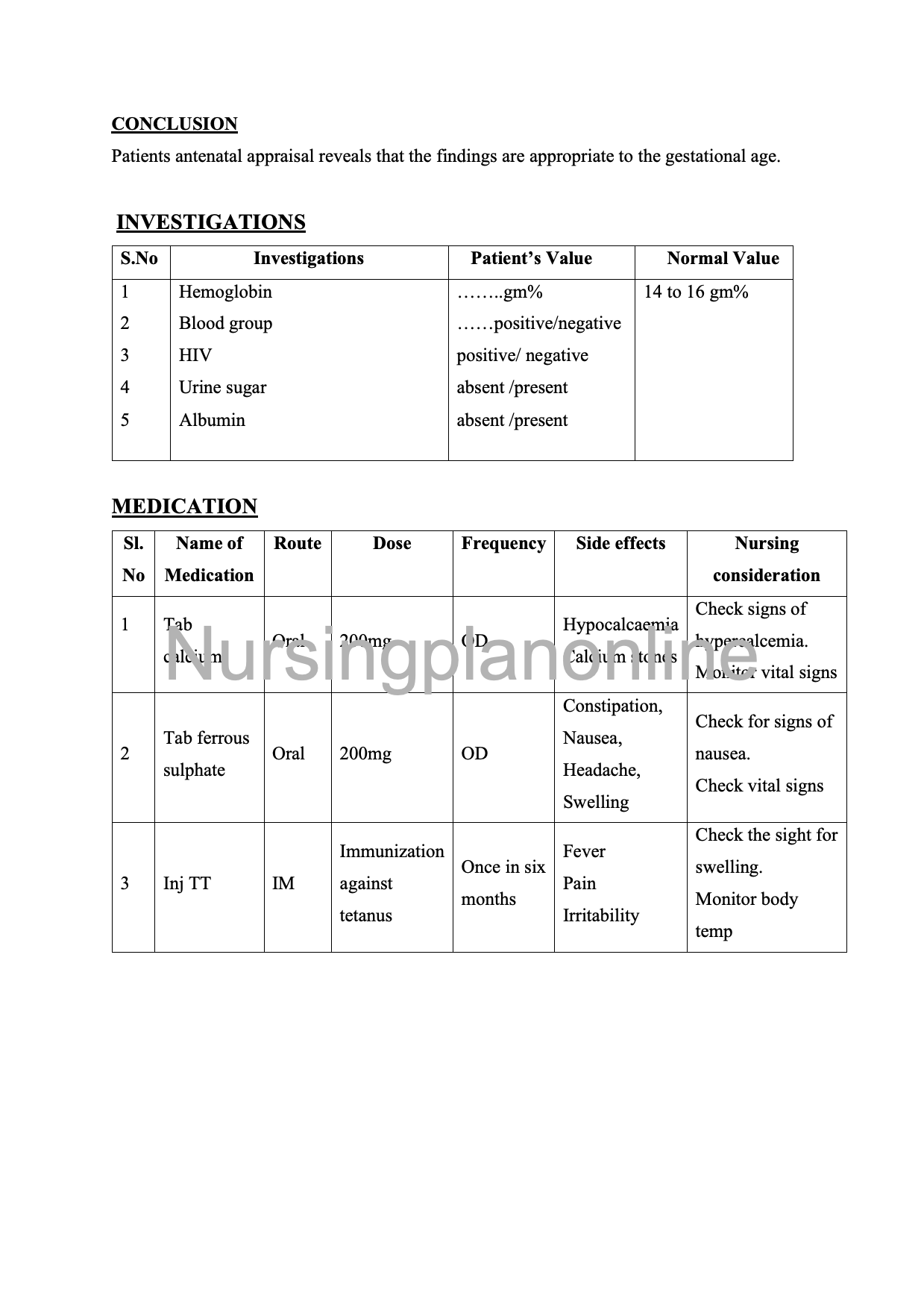
The nursing care plan pre-eclampsia is a critical tool designed to provide healthcare professionals with a structured approach to managing and treating patients affected by pre-eclampsia. Pre-eclampsia is a serious condition that can have significant implications for both mother and baby, making an effective nursing care plan essential.
This detailed guide walks you through the various components of a nursing care plan directed at pre-eclampsia, highlighting its significance in ensuring the best possible outcomes for your patients.
Understanding Pre-Eclampsia
Pre-eclampsia is characterized by high blood pressure and signs of damage to another organ system, most often the liver and kidneys, and it typically occurs after the 20th week of pregnancy. It affects around 5-8% of pregnancies and can lead to serious complications if not managed promptly.
For nursing professionals, understanding the clinical features and implications of pre-eclampsia is crucial. When armed with a solid nursing care plan, nurses can engage in the early identification and treatment of this condition, significantly improving the outcomes for both the mother and her baby.
Key Features of the Nursing Care Plan Pre-Eclampsia
- Comprehensive Assessment: The plan offers guidelines on conducting thorough assessments, including checking vital signs, monitoring organ function, and identifying warning signs of severe pre-eclampsia.
- Nursing Interventions: Tailored nursing interventions provide actionable steps to manage symptoms and complications associated with pre-eclampsia effectively.
- Patient Education: Instructional materials and strategies to educate patients and their families about pre-eclampsia symptoms, treatment options, and lifestyle modifications.
- Collaborative Care: The plan emphasizes the importance of interdisciplinary cooperation and communication among healthcare providers to coordinate care effectively.
Structure of the Nursing Care Plan
Each nursing care plan includes specific components aimed at fostering clarity and ensuring complete care. Key sections you can expect include:
Patient Problem Identification
Identify the nursing diagnoses pertinent to pre-eclampsia, such as Risk for Injury related to hypertension, Imbalanced Nutrition related to nausea or loss of appetite, and Anxiety related to health status.
Goals and Outcomes
Establish clear, measurable goals that define expected patient outcomes. For example, a successful nursing care plan will ensure that the patient's blood pressure remains within a safe range and that she understands the management plan.
Interventions and Rationales
Outline evidence-based nursing interventions and provide rationales for each action. This helps nurses understand the 'why' behind specific care tasks, enhancing patient interactions.
Evaluation
Incorporate evaluation criteria to reassess the patient regularly. This ongoing evaluation allows for adjustments to the nursing care plan based on patient progress and changes in clinical status.
Benefits of Utilizing the Nursing Care Plan Pre-Eclampsia
The integration of a nursing care plan pre-eclampsia into clinical practices has numerous advantages:
- Enhanced Patient Safety: Systematic assessments and interventions minimize risks, reducing the likelihood of complications associated with pre-eclampsia.
- Increased Nursing Efficiency: A structured care plan streamlines nursing duties and improves overall workflow within healthcare settings.
- Empowered Patients: By educating patients about the condition, they become active participants in their care, which can enhance compliance with treatment.
- Improved Interdisciplinary Communication: A clear care plan fosters communication across medical teams, ensuring everyone is aligned with the patient’s needs.
Implementing the Nursing Care Plan Pre-Eclampsia
To implement an effective nursing care plan for pre-eclampsia, nurses should start with the following steps:
- Conduct an Initial Assessment: Gather comprehensive data to identify the patient’s condition, including medical history, current medications, and lifestyle factors.
- Set Goals: Collaborate with the patient to establish realistic, achievable goals that cater to her unique situation.
- Develop Customized Interventions: Utilize evidence-based practices to tailor interventions that address both immediate and long-term concerns.
- Document and Share: Ensure all facets of care are documented and shared with the healthcare team for continuity.
Conclusion
The application of a well-constructed nursing care plan pre-eclampsia not only enhances patient outcomes but also empowers nurses in their professional roles. By following evidence-based practices, you create a foundation for quality care that helps navigate the complexities of pre-eclampsia.
Ready to optimize your nursing practice? Invest in our nursing care plan pre-eclampsia today and ensure your patients receive the highest standard of care. Take the next step towards enhancing maternal healthcare with a structured and effective nursing strategy.